
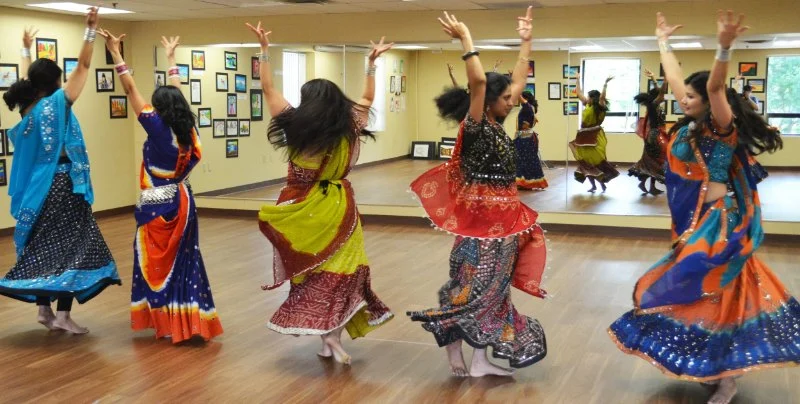
- foundation-understanding-bollywood-flexibility-dance - how Bollywood movement builds flexibility through rhythm, posture control, and full-body coordination
- why-flexibility-matters-in-dance-performance - role of mobility, injury prevention, and expressive movement range
- training-principles-beginner-flexibility-dance - safe stretching, warm-up sequencing, and progressive improvement methods
- real-life-dancer-transformation-story - case study of improved flexibility through structured Bollywood dance practice
- common-mistakes-and-how-to-avoid-them - over-stretching, skipping warm-ups, and inconsistent training habits
- daily-routine-for-flexibility-growth - structured practice plan combining dance flow and conditioning
- how-american-dance-academy-supports-training - structured programs, coaching insights, and progression guidance
Bollywood Dance to Improve Flexibility – A Complete Guide Built on Movement, Rhythm, and Control
Bollywood dance is often seen as expressive, colorful, and cinematic—but underneath the performance energy lies something far more practical: a deeply effective system for improving body flexibility. Unlike static stretching routines that many people struggle to maintain, Bollywood dance to improve flexibility blends motion, rhythm, and storytelling, making the body adapt naturally without feeling forced or mechanical.
Many beginners in the United States discover Bollywood dance through cultural curiosity or fitness exploration, only to realize later that it dramatically changes how their joints, spine, and hips move. The transformation doesn’t happen overnight, but it is consistent, structured, and surprisingly enjoyable when approached correctly.
Foundation: How Bollywood Movement Develops Flexibility Naturally
Full-body coordination instead of isolated stretching
Traditional flexibility training often isolates one muscle group at a time. Bollywood dance, however, forces the body to work as a connected system. Arm waves, hip rotations, torso isolations, and footwork patterns are performed simultaneously, training the body to expand its usable range of motion without stiffness.
Rhythm-driven mobility development
Music plays a hidden but essential role. When dancers follow rhythm, they unconsciously time their stretches with beats. This reduces resistance in the muscles and increases flow, allowing deeper positions without strain.
Dynamic movement replaces static discomfort
Instead of holding painful stretches, Bollywood choreography uses movement-based flexibility. This reduces the fear many beginners associate with stretching and replaces it with expression and continuity.
Why Flexibility Matters in Dance Performance and Everyday Movement
Injury prevention through mobility control
A flexible body is not just about appearance. In dance training, flexibility supports joint stability and reduces injury risk. Tight hips or shoulders often lead to compensation injuries when performing fast choreography.
Improved expressive range
Bollywood dance storytelling relies heavily on facial expression combined with body language. Flexible movement allows dancers to extend gestures fully, making performances more emotionally engaging.
Real-world physical benefits
Outside the studio, improved flexibility helps with posture, walking comfort, and even long sitting hours. Many office workers who join dance programs report reduced back stiffness within weeks.
Training Principles for Safe Flexibility Development
Warm-up is not optional—it is structural
Before any flexibility work begins, the body must be prepared through light cardio and joint rotations. Skipping this step is one of the most common reasons beginners experience discomfort or strain.
Progressive stretching over intensity
Instead of forcing deep splits or extreme backbends, Bollywood training builds flexibility gradually. Each session expands range slightly beyond the previous one, allowing muscles to adapt safely.
Consistency beats intensity
Three moderate sessions per week produce better results than one extreme session. The body responds more effectively to repeated gentle exposure than sudden pressure.
A Real-Life Transformation Through Bollywood Dance Training
One notable example comes from a beginner dancer in California who joined a Bollywood fitness workshop primarily for fun. Initially, she struggled with hip stiffness and could barely perform basic side steps without discomfort. Her instructor introduced a structured flexibility approach combined with choreography repetition.
Within eight weeks, she reported noticeable improvements: deeper lunges during routines, smoother arm extensions, and reduced lower-back tension. The key wasn’t aggressive stretching—it was repetitive movement within dance flow. Her experience reflects a growing trend in American dance communities where flexibility training is embedded within choreography rather than treated separately.
Common Mistakes That Slow Flexibility Progress
Overstretching too early
Many beginners try to reach advanced poses before their body is ready. This often leads to muscle guarding, where the body resists improvement due to fear of strain.
Ignoring recovery time
Flexibility improves during recovery, not just during training. Without rest, muscles remain tense and progress slows significantly.
Copying advanced choreography without foundation
Advanced Bollywood routines often include deep bends and fast transitions. Attempting these without foundational flexibility creates imbalance and frustration.
A Practical Daily Flexibility Routine Inspired by Bollywood Dance
Phase 1: Activation (5–10 minutes)
Begin with light marching, shoulder rolls, and gentle hip circles to activate blood flow and prepare joints for movement.
Phase 2: Flow-based stretching (10–15 minutes)
Use simple Bollywood steps like side sways, arm waves, and torso rotations. Focus on smooth transitions rather than depth.
Phase 3: Controlled expression (10 minutes)
Practice short choreography sequences emphasizing reach, extension, and balance. This phase integrates flexibility into performance.
How Structured Training Enhances Flexibility Development
At American Dance Academy, flexibility training is integrated into choreography classes rather than isolated drills. This approach helps dancers build natural movement patterns instead of forced positions.
Students are guided through progressive routines that combine Bollywood dance aesthetics with functional mobility training. This ensures that flexibility is not only improved but also usable in real performance settings.
Instructors emphasize alignment, breathing control, and rhythm awareness—three elements that significantly accelerate safe flexibility development. Many students who begin with limited mobility find themselves performing full routines comfortably within a few months.
For those looking to deepen their training, structured programs like those at American Dance Academy provide a balanced environment where creativity and physical development evolve together.
Closing Reflection on Movement and Flexibility Growth
Bollywood dance to improve flexibility is not just a fitness trend—it is a movement-based learning system that reshapes how the body understands space, rhythm, and control. Instead of forcing results, it builds them through repetition, expression, and musical connection.
The most important shift happens not in how far you can stretch, but in how comfortably your body begins to move through everyday life and performance. That is where real transformation begins.

 Unique Dance Academy5.0 (3 reviews)
 Blair Dance Academy4.0 (9 reviews)
 Connolly Irish Dance5.0 (2 reviews)
 Elevate Dance4.0 (38 reviews)
 Tiny Dancers4.0 (112 reviews)
 Greenwood Dance Center4.0 (10 reviews)
 Shuffle Dance to Burn Calories: Learn Step by Step
 Top 10 Hip Hop Moves for Kids
 Line Dance That Boosts Confidence – What You Need to Know
 Cha Cha Tutorial – What You Need to Know
 Hip Hop for Beginners: Common Mistakes to Avoid
 Do You Have a Dance in Middle School? How Dance Events Shape Student Life