
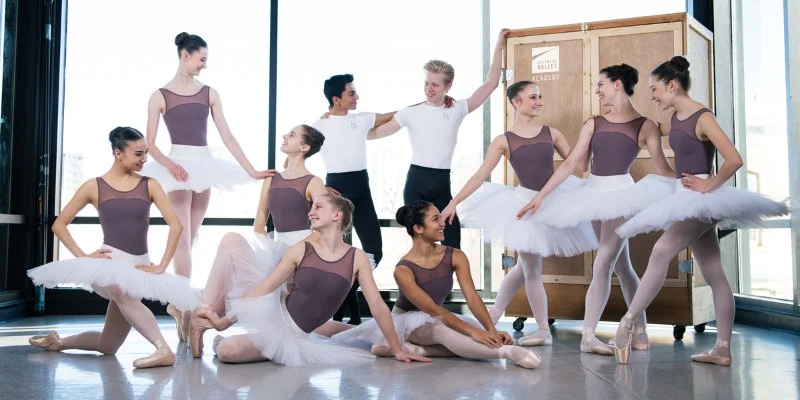
1. What Is Ballet? An Overview
Ballet is a classical dance form that originated during the Italian Renaissance in the 15th century and later developed in France and Russia. Today, it is one of the most sophisticated and physically demanding forms of dance, characterized by graceful, highly controlled movements, and techniques that require strength, flexibility, and stamina. This guide will help explain ballet's fundamental concepts, history, and techniques, whether you're new to the art form or looking to deepen your understanding.
2. The History of Ballet
2.1 Origins of Ballet
Ballet as we know it began during the Italian Renaissance, where it was a form of court entertainment for royalty. It was later popularized in France, thanks to King Louis XIV, who established the Royal Academy of Dance in 1661. Over the centuries, ballet evolved into the structured form we recognize today, with contributions from iconic figures like Marius Petipa and George Balanchine.
2.2 Ballet’s Evolution and Global Influence
As ballet spread to different parts of Europe, it became a global phenomenon. The 19th and 20th centuries saw ballet companies and schools rise in countries like Russia, the United States, and the United Kingdom. These developments contributed to various styles of ballet, from the romantic ballets of the 19th century to the neoclassical works of the 20th century. Today, ballet remains a central part of the performing arts worldwide.
3. Key Ballet Terminology and Techniques
3.1 Basic Ballet Positions
One of the first things any ballet student learns is the five basic positions of the feet. These positions serve as the foundation for all ballet movements and include:
- 1st Position: Heels together, toes turned outward.
- 2nd Position: Feet turned outward, heels apart.
- 3rd Position: One foot placed in front of the other, heel touching the arch of the other foot.
- 4th Position: One foot placed in front of the other, with a gap between them.
- 5th Position: Feet together, with one foot placed in front of the other, heel touching the toe.
Mastering these positions is essential for advancing in ballet, as they form the basis for more complex movements.
3.2 Important Ballet Moves and Steps
Ballet is known for its precise and controlled movements. Some key steps include:
- Plie: A bending of the knees, often used to start and end movements.
- Releve: Rising onto the balls of the feet or the toes.
- Tendu: A movement where the foot slides along the floor until it is fully extended.
- Pirouette: A spin or turn executed on one foot.
- Arabesque: A position where one leg is extended behind the body while the other supports the weight.
3.3 Ballet’s Importance of Posture and Alignment
Posture and body alignment are crucial in ballet. Every movement relies on proper alignment, where the dancer’s body must maintain balance and control. A strong core, straight back, and proper placement of the legs are necessary to avoid injury and execute movements fluidly.
4. Ballet for Beginners: How to Start
4.1 Choosing the Right Ballet Class
If you’re interested in learning ballet, finding the right class is key. Beginners should look for classes that focus on building a strong foundation of technique, including basic positions and movements. Ballet classes vary in intensity and style, so choose one that matches your fitness level and goals.
4.2 Essential Ballet Gear
To get started, you’ll need some basic gear. The essentials include a comfortable leotard, ballet slippers, and tights. If you're considering more advanced training, you may also want pointe shoes, but these should only be worn when your teacher recommends them, as they require proper foot strength and technique.
4.3 Practice and Patience
Ballet is an art form that requires consistent practice and patience. Progress may be slow at first, but with dedication, you’ll begin to see improvements. Focus on mastering the basics before progressing to more complicated movements and routines.
5. Famous Ballet Dancers and Their Contributions
5.1 Anna Pavlova
One of the most famous figures in ballet history, Anna Pavlova is remembered for her portrayal of "The Dying Swan" and her role in bringing ballet to the masses. She revolutionized ballet performance with her emotional depth and technical skill, leaving a lasting impact on the art form.
5.2 Mikhail Baryshnikov
Mikhail Baryshnikov is considered one of the greatest ballet dancers of all time. His exceptional technical ability and expressive performances earned him worldwide recognition. He became a symbol of modern ballet and brought ballet into the contemporary spotlight, making significant contributions to its evolution.
6. Ballet Today: Modern Styles and Innovations
6.1 Contemporary Ballet
Today, ballet continues to evolve, with contemporary styles pushing the boundaries of traditional techniques. Modern choreographers experiment with incorporating elements from other dance forms, such as jazz, hip hop, and even street dance, to create unique performances. Contemporary ballet blends classical techniques with innovative, expressive movements.
6.2 Ballet in Popular Culture
Ballet has made a significant impact on popular culture, inspiring movies, TV shows, and even advertisements. Ballet-themed films like *Black Swan* and shows such as *Dancing with the Stars* have introduced a wider audience to the beauty and discipline of ballet, making it more accessible than ever.
7. Where to Find Ballet Classes and Products
If you’re ready to start your ballet journey, finding the right classes and equipment is essential. At American Dance Academy, we offer a wide range of ballet courses for all skill levels, from beginners to advanced dancers. We also carry a selection of ballet gear, including leotards, shoes, and accessories. Visit our website today to find everything you need to start or enhance your ballet experience.
8. Conclusion
Ballet is an art form that combines beauty, strength, and precision. Whether you’re looking to get started with ballet or deepen your understanding, this guide provides a comprehensive overview of everything you need to know. Remember, progress in ballet takes time and practice, but with dedication, you can unlock the graceful and powerful movements of this timeless dance form.


 Tutu School Belmont5.0 (3 reviews)
 DES Dance Studio4.0 (13 reviews)
 Steeple Valley Dance0.0 (0 reviews)
 Taal Dance Academy0.0 (0 reviews)
 Ballroom Sensation5.0 (39 reviews)
 Raices Latin Dance Worcester4.0 (9 reviews)
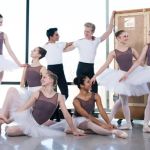 Ballet Explained – Complete Guide
 Hip Hop Fitness Routine: A Step-by-Step Guide to Burn Calories and Have Fun
 A Magi Temple Belly Dance School in Orlando FL: What Makes It Unique
 Can Dance Exergames Boost Physical Activity as a School-Based Intervention?
 Why Salsa Is Popular for Seniors | American Dance Academy
 Why Bollywood Dance Is Popular and Its Cultural Origins