
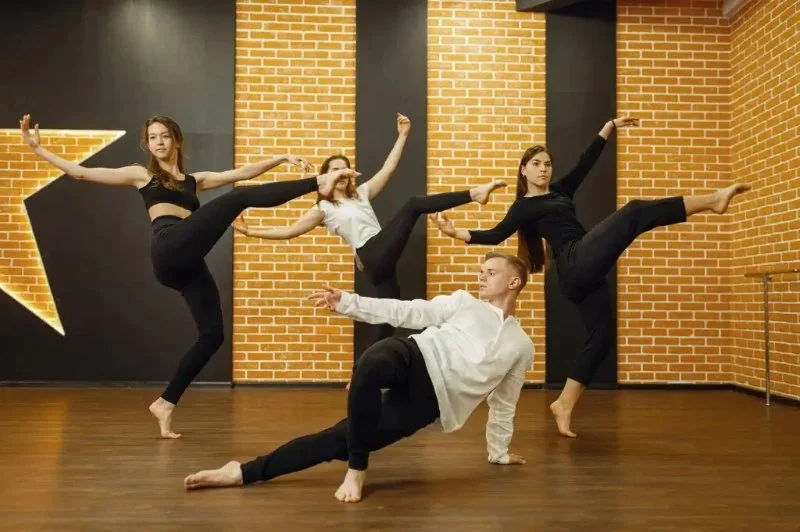
Why Contemporary Dance Is Popular: A Tutorial
- 1-What Is Contemporary Dance?
- 2-The Evolution of Contemporary Dance
- 3-Why Is Contemporary Dance So Popular?
- 4-How to Get Started with Contemporary Dance
- 5-Learn More and Take Classes at American Dance Academy
1-What Is Contemporary Dance?
Contemporary dance is a genre that combines elements of several dance styles, including modern, jazz, lyrical, and classical ballet. It is known for its emphasis on expression and flexibility, as well as its focus on improvisation and versatility. Unlike traditional forms of dance, contemporary often challenges conventions, allowing for greater freedom of movement and interpretation.
This style encourages dancers to explore their own emotions and stories through movement, making it one of the most expressive and innovative forms of dance today.
2-The Evolution of Contemporary Dance
Contemporary dance has evolved significantly since its origins in the early 20th century. The roots of contemporary dance can be traced back to the modern dance movement, which began as a reaction against the rigidity of classical ballet. Pioneers like Martha Graham and Isadora Duncan broke away from ballet’s structured form to create a more expressive, free-flowing style of movement.
As time went on, contemporary dance absorbed elements from other disciplines like jazz, hip hop, and even yoga, allowing for a wide variety of influences and techniques. Today, it continues to evolve, with many choreographers pushing the boundaries of what contemporary dance can be, often incorporating multimedia, technology, and even spoken word.
3-Why Is Contemporary Dance So Popular?
Contemporary dance has become widely popular for several reasons, making it one of the most influential and accessible dance styles today. Let’s explore why:
1. Emotional Expression
One of the main reasons contemporary dance is so appealing is its focus on emotional expression. Unlike other dance forms, which may prioritize technique or uniformity, contemporary dance allows individuals to express their feelings, personal stories, and experiences through movement. This emotional connection makes it relatable and powerful for both performers and audiences.
2. Freedom of Movement
Contemporary dance encourages creativity and freedom. Dancers are not confined to the strict rules of ballet or other traditional dance forms. This freedom allows dancers to experiment with movement, making it both dynamic and exciting. The fluidity of contemporary dance also means that there is no one "right" way to perform, making it accessible to people of all levels and backgrounds.
3. Accessibility and Versatility
Contemporary dance is incredibly versatile, which is why it’s popular in various settings, from professional dance companies to recreational dance studios. Many people are drawn to it because they don’t need extensive prior training in other dance styles. Whether you’re performing at a theater, a dance class, or even on social media, contemporary dance allows for a wide range of interpretations, making it more accessible to diverse audiences.
4. Influence in Popular Culture
Contemporary dance has made its mark in popular culture, especially through television shows like "So You Think You Can Dance" and various music videos. This exposure has contributed to its popularity, attracting younger generations to explore the dance form. The blend of athleticism and artistry appeals to a wide demographic, and its presence in pop culture continues to grow.
4-How to Get Started with Contemporary Dance
If you’re interested in learning contemporary dance, here are some steps to help you get started:
1. Take a Class
The best way to begin learning contemporary dance is by taking a class. Many studios offer beginner-friendly contemporary dance lessons that focus on foundational techniques, flexibility, and emotional expression. Look for local dance schools or studios that offer introductory classes.
2. Build Strength and Flexibility
Contemporary dance requires a combination of strength, flexibility, and coordination. To improve your performance, focus on building a strong core, stretching regularly, and improving your overall fitness level. Incorporating exercises such as yoga, pilates, and cardio can also help you develop the necessary strength and endurance for contemporary dance.
3. Embrace Your Creativity
Contemporary dance is all about self-expression, so don’t be afraid to embrace your creativity. As you advance in your practice, experiment with improvisation and develop your unique style. Dance is a form of art, and there are no limits to what you can create.
5-Learn More and Take Classes at American Dance Academy
If you’re ready to dive deeper into contemporary dance, visit American Dance Academy, where we offer expert-led classes for all levels. Whether you’re a beginner or looking to refine your technique, our experienced instructors will guide you in exploring the dynamic world of contemporary dance.
Through structured classes, individual coaching, and a welcoming community, you’ll find everything you need to succeed. Join us today and start your journey into the world of contemporary dance!

 Integrity Dance Academy4.0 (14 reviews)
 Pure Artistry Dance4.0 (31 reviews)
 Evolve Dance Center4.0 (39 reviews)
 Versatile Edge Dance0.0 (0 reviews)
 Rosemary’s School of Dance5.0 (1 reviews)
 A Step In Time Dance Center4.0 (19 reviews)
 Why A Step Above School of Dance LLC OK Is a Top Choice for Young Dancers
 Why Swing Dance Is Popular and You Can Learn at Home
 The History of Hip Hop Fitness Routine
 A Star School of Dance: What Makes It a Shining Example of Performing Arts Education
 Pole Dance Near Me in the USA – Everything You Should Know
 Top 10 Belly Dance Moves for Kids: Fun and Easy Steps for Young Dancers