How to Master Shuffle Dance for Adults
- 1. Why Learn Shuffle Dance?
- 2. Essential Shuffle Dance Steps for Beginners
- 3. Common Mistakes to Avoid When Learning Shuffle Dance
- 4. How to Boost Your Shuffle Dance Skills
- 5. Real-Life Stories: Adults Mastering Shuffle Dance
1. Why Learn Shuffle Dance?
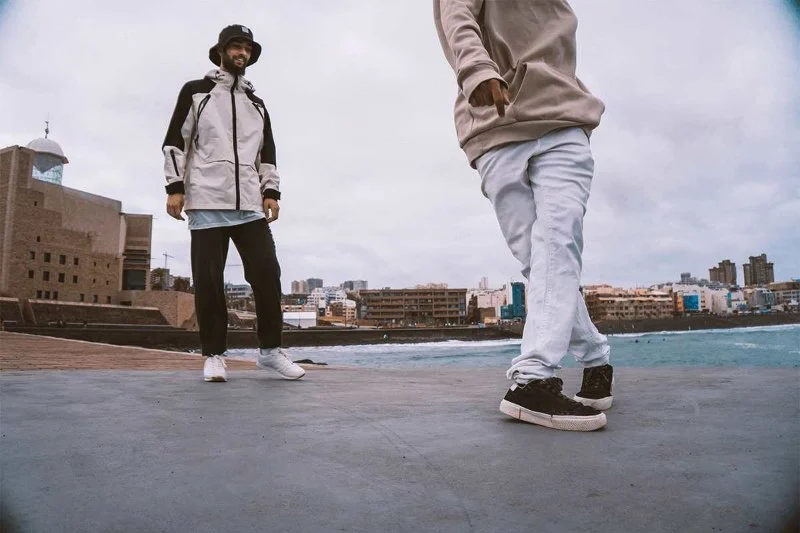
Shuffle dance, also known as the Melbourne Shuffle, is a high-energy, rhythmic dance style that originated in the rave and electronic music scenes. It combines fast foot movements with smooth gliding, and it’s not only a fun way to express yourself but also a great workout. Many adults are picking up shuffle dance because it’s a fantastic way to stay fit, improve coordination, and relieve stress.
Whether you want to impress at a party, boost your fitness routine, or simply enjoy dancing to your favorite music, shuffle dance offers numerous benefits. It’s an accessible dance style for beginners and can be tailored to suit different skill levels.
2. Essential Shuffle Dance Steps for Beginners
Before you can master shuffle dance, it’s important to understand the basic steps that form the foundation of this style. Here are the key movements you’ll need to learn as a beginner:
1. The Running Man
The Running Man is the signature move of shuffle dance. To perform the Running Man, you’ll need to alternate sliding one foot backward while the other foot moves forward. The motion should look like you’re running in place, but with a smooth glide.
2. The T-Step
The T-Step is another key move, which involves shifting your weight from one foot to the other while sliding your feet across the floor in a "T" shape. This move requires practice to make the transitions smooth and quick.
3. Gliding
Gliding is a crucial technique for giving the shuffle its smooth and fluid look. You’ll need to practice sliding your feet across the floor while maintaining a consistent rhythm to achieve the characteristic glide of shuffle dance.
3. Common Mistakes to Avoid When Learning Shuffle Dance
Learning shuffle dance can be challenging, and beginners often make mistakes that can hinder their progress. Here are some common mistakes to watch out for:
1. Not Practicing the Basics
The Running Man and T-Step are foundational moves for shuffle dance, but many beginners try to jump into advanced moves too quickly. It’s important to master these basic steps before attempting more complex choreography.
2. Stiff Movements
Shuffle dance relies on fluid, smooth movements. Many beginners struggle with stiffness in their legs or body, which can make the dance look jerky. Try to relax your muscles and focus on fluidity when moving.
3. Ignoring Timing and Rhythm
Shuffle dance is all about rhythm. Beginners often rush through the steps without paying attention to the beat of the music. Make sure you practice with music and align your movements to the tempo for a more natural flow.
4. How to Boost Your Shuffle Dance Skills
To truly master shuffle dance, you’ll need to practice regularly and incorporate various techniques to improve your performance. Here are some tips to help you boost your skills:
1. Take Dance Classes
One of the best ways to accelerate your learning is by taking dance classes. Many dance studios offer shuffle dance or hip-hop classes that teach you both the basic and advanced moves. A professional instructor can help guide your practice and correct any mistakes.
2. Practice with a Mirror
Practicing in front of a mirror allows you to see your movements and make adjustments to improve your technique. It’s easier to spot areas where you need improvement, and it can help you develop better muscle memory.
3. Watch Tutorials
There are plenty of online resources available, including YouTube tutorials, that can teach you shuffle dance. Watching other dancers can provide inspiration, and you can learn new steps and tricks to incorporate into your routine.
4. Record Yourself
Recording your practice sessions allows you to track your progress over time. You can watch yourself and compare your current technique to earlier footage to see how much you’ve improved.
5. Real-Life Stories: Adults Mastering Shuffle Dance
Many adults have successfully learned shuffle dance, and their stories can be motivating for anyone thinking about giving it a try. Here are a couple of real-life examples:
Case Study 1: Sarah’s Journey to Dance Confidence
Sarah, a 32-year-old from New York, always enjoyed dancing at parties but was hesitant to take up formal dance lessons. After seeing a shuffle dance performance at a concert, she decided to learn. Through consistent practice and attending weekly classes, Sarah gained not only dance skills but also newfound confidence. "I never thought I could pick up dancing as an adult, but shuffle dance has been so much fun and has brought out a whole new side of me," she says.
Case Study 2: Mark’s Fitness Transformation
Mark, a 40-year-old fitness enthusiast, turned to shuffle dance as part of his fitness routine. "I wanted something more fun than regular workouts, and shuffle dancing has really improved my cardio while being a great stress reliever," he shares. Mark’s dedication to learning shuffle dance has not only improved his fitness but also helped him stay active and motivated.
Shuffle dance is a fun and rewarding activity for adults, and it’s never too late to start learning. If you want to get started or take your skills to the next level, visit American Dance Academy for expert guidance, dance classes, and tips on mastering shuffle dance.

 Boundless Dance Academy4.0 (48 reviews)
 Kids World Performing Arts & Learning Center3.0 (5 reviews)
 Bust A Move Dance Academy5.0 (24 reviews)
 Centennial Performing Arts Studios5.0 (9 reviews)
 Paper Moon Dance Center5.0 (6 reviews)
 Fred Astaire Dance Studios4.0 (38 reviews)
 Do American High Schools Have Dance-Offs? Culture, Cases, and Creativity
 How to Tango Every Dancer Should Know – Complete Guide
 Do Students Go to School Dances Anymore?
 A Dance School Offers Classes in Ballet Folklorico with Cultural Heart
 A Star School of Dance: What Makes It a Shining Example of Performing Arts Education
 How to Master Tango for College Students