
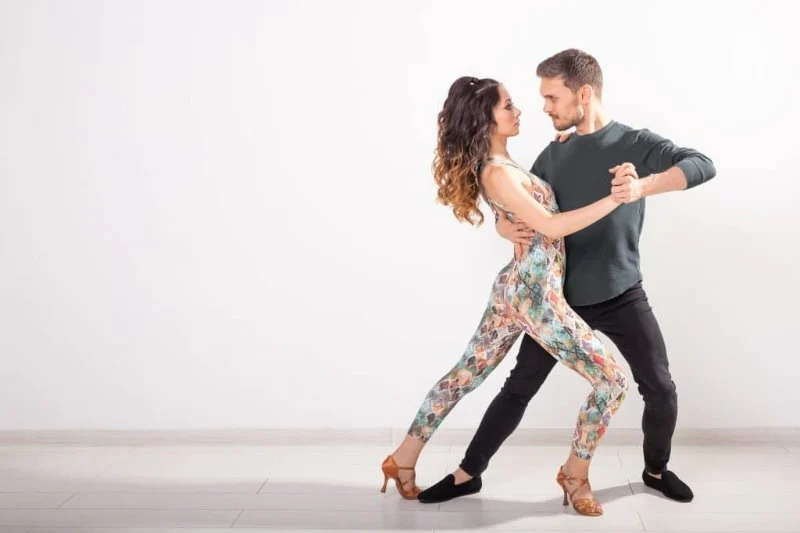
Why Bachata Has Become a Fitness Routine Hidden in Plain Sight
Bachata is often thought of as a social dance first, but underneath the music and rhythm lies something many people don’t expect: a surprisingly complete fitness system. The Top 10 Bachata Moves Fitness Routine is not just about looking good on the dance floor—it’s about building endurance, improving coordination, and strengthening muscles that traditional gym workouts sometimes overlook.
In many dance studios across the U.S., instructors have started incorporating bachata-based drills into warmups and conditioning sessions. One instructor from a small Miami studio even mentioned that students who struggled with treadmill workouts found bachata cardio easier to stick with because it felt like “movement with purpose rather than repetitive exercise.”
This is exactly why Latin dance fitness has grown in popularity—it disguises effort inside rhythm.
Basic Warm-Up Movements That Build the Foundation
Before diving into full routines, bachata fitness begins with controlled warm-up patterns. These are not flashy moves; instead, they prepare your joints, activate stabilizing muscles, and sync your body with rhythm.
A typical warm-up includes side-to-side weight shifts, gentle hip isolations, and slow timing steps. These movements may seem simple, but they are essential for preventing strain when progressing into faster footwork drills.
Many beginners underestimate this phase, but experienced dancers treat it like stretching before a run. Without it, your body resists rhythm instead of flowing with it.
Top 10 Bachata Moves That Shape a Full Fitness Routine
1. Basic Side Step Rhythm Drill
This is the core of bachata movement. Repeating side steps strengthens thighs and improves lateral agility. Over time, it builds endurance similar to low-impact cardio training.
2. Forward-and-Back Pulse Steps
This movement activates the calves and core muscles. It also improves coordination between upper and lower body timing.
3. Hip Isolation Flow
Hip movement in bachata is not decorative—it engages deep stabilizer muscles. This helps improve posture and lower back strength.
4. Cross-Step Transition Drill
This step improves coordination under pressure. Dancers often use it to transition between patterns without losing rhythm.
5. Turn Preparation Balance Drill
Before spins, dancers train balance using slow pivots. This strengthens ankles and improves joint stability.
6. Controlled Spin Practice
Spins are one of the most demanding bachata movements. They improve vestibular control (your body’s balance system) and core engagement.
7. Partner Frame Resistance Training
Even solo dancers can simulate this. It builds upper body control and teaches how to maintain posture under resistance.
8. Quick Foot Tap Sequences
Fast taps increase heart rate quickly, making this a strong cardio interval movement.
9. Body Wave Integration Drill
This movement links upper and lower body flow, improving flexibility and spinal mobility.
10. Endurance Continuous Flow Routine
A combination of all previous moves performed continuously. This is where real fitness transformation happens.
How Bachata Improves Real-World Fitness Beyond Dance
The fitness benefits of bachata go beyond studio walls. Many people discover that after a few weeks of consistent practice, walking up stairs feels easier, posture improves naturally, and stamina increases without traditional gym pressure.
One widely shared story in online dance communities involved a beginner from Chicago who started bachata classes to improve social confidence. Within three months, she noticed not only improved rhythm but also reduced knee discomfort from daily walking. While results vary, this reflects how full-body movement training can support everyday biomechanics.
Unlike isolated gym machines, bachata trains multiple systems at once: cardiovascular endurance, balance control, and muscular coordination.
Footwork and Rhythm Training That Builds Athletic Precision
Footwork in bachata is often underestimated. It is not just about stepping to music—it trains timing precision. Each step must align with rhythm, which forces the brain to synchronize movement patterns more efficiently.
Over time, this improves reaction time and coordination. Athletes in other fields often cross-train with dance-based movement because it strengthens neuromuscular connection.
In structured training programs, such as those offered at American Dance Academy, instructors often combine rhythm drills with conditioning exercises to build both technical skill and fitness endurance simultaneously.
Core Strength and Hip Control Through Latin Movement
One of the most defining aspects of bachata is hip movement. While it appears stylistic, it actually requires strong core engagement. Without core stability, hip motion becomes unbalanced and inefficient.
Training this area improves posture and reduces strain on the lower back. Many dancers report that consistent practice helps them stand taller and move more efficiently in daily life.
This is why dance fitness programs are often recommended as a supplement to traditional core training routines.
Balance, Spins, and Body Control Development
Spinning and turning drills challenge your balance system in ways that straight-line exercise cannot. When you rotate, your inner ear and core must constantly adjust to maintain stability.
Beginners often struggle with dizziness, but over time the body adapts, improving overall spatial awareness. This is especially beneficial for older adults or individuals looking to improve coordination safely.
Endurance Training Hidden Inside Bachata Flow
A full bachata session can last 30–60 minutes, often without long breaks. This creates natural cardio conditioning without the feeling of repetitive exercise.
Unlike treadmill running, the variation in movement keeps the brain engaged. This reduces perceived effort, making people more likely to stay consistent over time.
Consistency is where transformation happens. The real fitness gain from bachata comes not from intensity alone, but from repetition combined with enjoyment.
Real-Life Dance Transformation Story
A dance student in Los Angeles once shared how she joined bachata classes after struggling with traditional gym routines. She found lifting weights repetitive and unmotivating. Within weeks of starting bachata training, she noticed something unexpected—she was exercising longer without realizing it.
Her instructor gradually introduced structured drills based on the Top 10 Bachata Moves Fitness Routine. After six months, she reported improved endurance, better coordination, and increased confidence in social settings.
Stories like this are common in dance communities because movement-based fitness taps into emotional engagement, not just physical effort.
Building Your Own Bachata-Based Fitness Plan
Creating a personal routine does not require advanced skill. A balanced approach includes warm-ups, footwork drills, hip control exercises, and endurance flow sessions.
The key is progression. Start slow, build rhythm control, and gradually increase speed and complexity. Over time, your body adapts naturally.
For structured guidance, many dancers explore programs and resources through American Dance Academy, which helps beginners and intermediate learners design routines that match their fitness level and goals.
 World of Dance Bloomington5.0 (50 reviews)
 Kareli School of Folklorico5.0 (15 reviews)
 Just For Kix0.0 (0 reviews)
 Premiere Dance Hillsborough4.0 (44 reviews)
 All That Dance Louisville4.0 (23 reviews)
 Fred Astaire Dance Studios4.0 (37 reviews)
 How to Master Zumba to Try in 2025
 Can Freshman Go to High School Dances? What You Need to Know
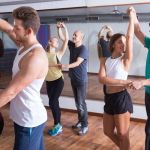 Top 10 Bachata Moves Fitness Routine
 The History of K-Pop Dance for Seniors: A Growing Trend
 A Dance School Has 54 Students Who Learn Salsa: The Power of Dance Education
 How to Master Bachata Workout Benefits