
- ballroom-dance-foundations-posture-partner-connection-and-musicality-Basics posture connection rhythm
- classic-ballroom-styles-waltz-tango-foxtrot-quick-overview-Style breakdown waltz tango foxtrot
- technique-and-steps-how-movement-and-lead-follow-work-Lead follow timing technique control
- real-world-ballroom-experiences-events-competitions-and-social-dancing-Competition social dance events stories
- beginner-mistakes-and-how-to-improve-faster-in-ballroom-dance-Common errors learning improvement tips
Understanding Ballroom Dance as a Living Art Form
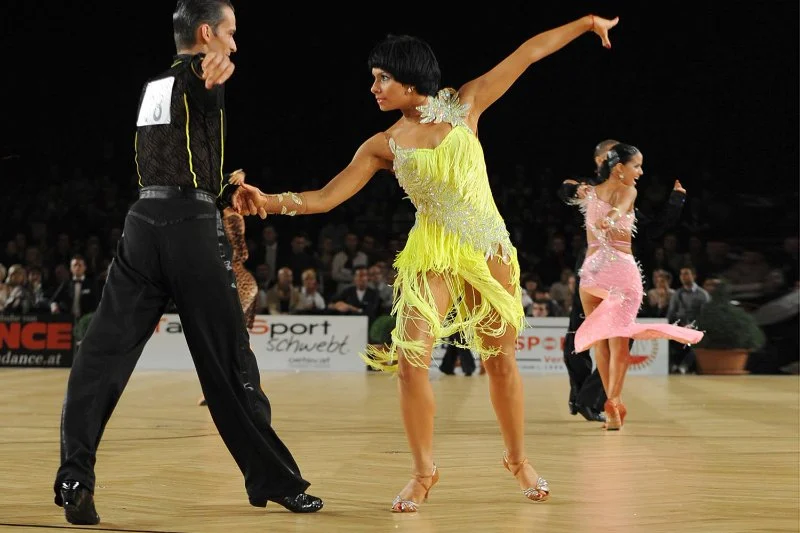
Ballroom dance is more than a structured set of steps—it is a conversation between two people told through movement, timing, and musical interpretation. When people search for a “ballroom dance explained – complete guide,” they are usually trying to understand how elegance, precision, and emotion combine on the dance floor.
Unlike casual dancing at social events, ballroom dancing is built on tradition, discipline, and partnership. Every movement is intentional, from posture alignment to the smallest shift in weight. Yet, despite its technical nature, it remains deeply expressive and surprisingly accessible once the core principles are understood.
Foundations: Posture, Connection, and Musical Awareness
Why Posture Defines Everything in Ballroom Dance
Posture is the invisible framework of ballroom dancing. A straight spine, lifted chest, and grounded stance create the foundation for every movement. Without correct posture, even simple steps lose balance and fluidity.
Beginners often underestimate this. Many focus on steps first, but instructors consistently emphasize posture because it determines stability, partner connection, and aesthetic quality.
Partner Connection: The Silent Communication System
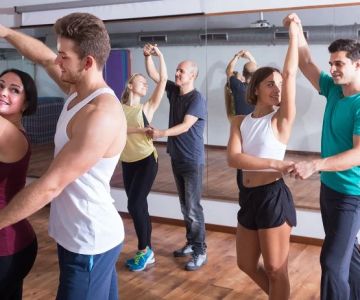
One of the most fascinating aspects of ballroom dancing is the “frame”—the structured arm and body connection between partners. This frame allows lead and follow communication without words.
A light shift in pressure or direction becomes a signal. The lead initiates movement, and the follow responds in real time. When done correctly, it feels effortless, almost like both dancers are moving as one unit rather than two individuals.
Musical Interpretation and Rhythm Awareness
Ballroom dance is tightly connected to music structure. Dancers learn to recognize beats, phrasing, and tempo changes. This is what separates mechanical movement from expressive performance.
For example, a slow waltz emphasizes flowing rise and fall, while a quickstep demands sharp timing and energetic responsiveness. Understanding music transforms dancing from execution to storytelling.
Classic Ballroom Styles and Their Unique Characters
Waltz: Smooth Flow and Romantic Motion
The waltz is often the first style beginners encounter. Known for its 3/4 timing, it creates a gentle rise-and-fall motion that feels almost floating. Couples glide across the floor in sweeping arcs, emphasizing elegance over speed.
In social ballroom environments, waltz is often associated with formal events, weddings, and traditional dance competitions where grace is prioritized over complexity.
Tango: Sharp, Dramatic, and Emotionally Intense
Unlike the waltz, tango is grounded, sharp, and powerful. Movements are staccato, with sudden pauses and directional changes. The emotional tone is dramatic, often portraying tension and passion between partners.
Many beginners find tango challenging because it demands strong posture control and precise timing. However, once mastered, it becomes one of the most expressive ballroom styles.
Foxtrot: Smooth Progression and Social Elegance
The foxtrot blends smoothness with rhythmic variation. It is often used in social ballroom dancing because of its versatility and adaptability to big band or jazz music.
Its defining feature is continuous motion, allowing dancers to travel gracefully across the floor without interruption. It is often considered one of the most “natural-feeling” ballroom dances once learned properly.
Technique: How Lead and Follow Actually Work
Understanding Weight Transfer and Timing
Every ballroom movement begins with weight transfer. Dancers shift body weight from one foot to another in precise timing with the music. This creates flow and prevents stiffness.
When combined with proper timing, weight transfer becomes the engine behind smooth motion across all ballroom styles.
Lead and Follow as a Physical Dialogue
Contrary to popular belief, leading is not forcing movement, and following is not passive. Both roles require awareness and responsiveness.
The lead provides direction through body mechanics, while the follow interprets those signals and maintains balance. When both roles are understood correctly, dancing becomes a cooperative experience rather than a controlled one.
Frame Stability and Energy Flow
The frame acts like a bridge between partners. If it collapses, communication breaks down. If it is too rigid, movement becomes restricted. The ideal frame is both firm and flexible, allowing energy to transfer smoothly.
This balance is often what separates beginner dancers from intermediate ones in ballroom dance progression.
Real-World Ballroom Dance Experiences
Social Dancing: The Community Connection
Social ballroom dance events are common in cities across the United States. These gatherings allow dancers of different skill levels to rotate partners and practice in a relaxed environment.
Many participants describe these events as unexpectedly welcoming. Even beginners quickly improve by dancing with experienced partners who naturally guide them through timing and structure.
Competitive Ballroom: Precision Under Pressure
Competitive ballroom dancing introduces another layer of discipline. Judges evaluate posture, timing, synchronization, and presentation. The atmosphere is intense but rewarding, as dancers refine every detail of their performance.
Some well-known competitions have become viral on social media, showcasing how ballroom dance combines athletic precision with artistic expression. These events often inspire new dancers to start training seriously.
A Beginner Story: From Hesitation to Confidence
A common story among students is the initial fear of stepping onto the dance floor. One beginner described feeling “completely lost” during their first lesson. However, after a few weeks of consistent practice focusing on posture and rhythm, they were able to confidently join a social dance night.
This transformation highlights how structured learning can quickly build confidence in ballroom dancing.
Common Mistakes and How Dancers Improve Over Time
Overthinking Steps Instead of Feeling the Music
Many beginners focus too much on memorizing patterns. While structure is important, ballroom dance becomes more natural when dancers listen to music rather than counting steps mentally.
Ignoring Partner Connection
Another common issue is disconnecting from the partner frame. When dancers rely solely on visual cues instead of physical communication, synchronization breaks down.
Rushing Progress Without Foundation
Advanced patterns require strong basics. Skipping foundational training often leads to long-term difficulties in balance, timing, and expression.
Structured training programs such as those offered at American Dance Academy provide step-by-step guidance that helps dancers build confidence from the ground up.
Why Ballroom Dance Remains Timeless
Ballroom dancing continues to thrive because it blends structure with emotion. It teaches discipline while still allowing personal expression. Whether practiced socially or competitively, it creates connection—between music, movement, and people.
For many, learning ballroom dance is not just about technique; it becomes a lifestyle that improves posture, confidence, and social interaction. That combination is what keeps this art form relevant across generations.
 New Boots Line Dancing5.0 (142 reviews)
 Dance With Me Productions5.0 (14 reviews)
 Stephanie's School of Dance4.0 (15 reviews)
 Powerhouse Dance Center4.0 (78 reviews)
 Moss Performing Arts Academy5.0 (107 reviews)
 Jacob's Pillow4.0 (105 reviews)
 Foxtrot to Try in 2025 – What You Need to Know
 Shuffle Dance Cultural Origins – Complete Guide | American Dance Academy
 Jazz Dance Step by Step Guide: Expert Tips and Techniques
 The History of Bachata Fitness Routine
 How to Pick the Perfect School Dance Song for Every Mood
 Do Schools in Taiwan Have Dances? A Cultural Perspective