
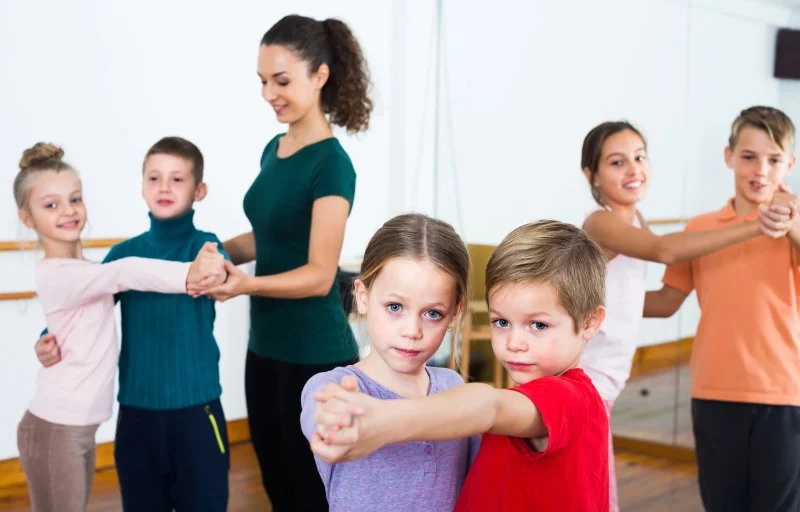
1. Why Salsa Dancing is Great for Kids
Salsa dancing is a fantastic way for kids to stay active, improve their fitness, and express themselves creatively. Not only is it a fun activity, but it also offers numerous benefits, including better balance, improved rhythm, and increased flexibility. Salsa is also a great way for children to develop social skills, as it often involves partner work and teamwork. Plus, it's a fun way for kids to learn about different cultures and music styles.
One of the most important benefits of salsa for kids is its positive impact on coordination and motor skills. The fast-paced rhythm and footwork involved in salsa dancing help improve a child's ability to move with precision and control. As they learn to match their movements to the beat of the music, kids also develop better timing and spatial awareness, skills that will benefit them in other areas of life.
Engaging kids in salsa dance is all about making it fun and interactive. Whether it's through playful games, simple routines, or dancing to lively music, kids will be more likely to enjoy learning if they are having fun. Break down complex moves into smaller, manageable steps and celebrate each achievement along the way. Incorporating games like "dance battles" or "freeze dance" can help keep kids entertained while they learn new salsa moves.
2. Teaching Salsa to Kids: Key Tips and Techniques
- Starting with Basic Salsa Steps
- Using Visual Aids and Games for Learning
- How to Keep Kids Engaged and Excited
When teaching kids salsa, it's important to start with the basics. Begin by introducing the basic steps, such as the basic salsa step, the side step, and the forward-backward step. Break each step down into easy-to-understand movements and repeat them until the kids feel comfortable. Use repetition and positive reinforcement to help them gain confidence in their ability to follow along with the music.
Visual aids and games are excellent tools for teaching salsa to kids. For example, using colorful floor markers to show where kids should step can help them visualize the movements more easily. Incorporate fun games that involve dancing to different rhythms or mimicking certain animal movements to build their coordination. These engaging activities can make learning the steps feel more like play than a formal lesson.
To keep kids engaged in salsa, be sure to change things up frequently. Introduce new moves gradually and allow them to show off their favorite steps. Challenge them with new combinations, and encourage them to add their own flair to the dance. A sense of accomplishment and creative freedom will keep them excited about continuing to learn. Additionally, use music that they enjoy and feel connected to, as this will make the experience even more enjoyable.
3. The Role of Dance Schools in Teaching Salsa to Kids
Dance schools and instructors play a significant role in teaching salsa to kids. A professional dance instructor can provide a structured and supportive learning environment where children can thrive. Dance schools offer group lessons, private sessions, and performance opportunities that give kids a chance to showcase what they've learned. Enrolling your child in a dance class can also help them make friends, work on teamwork, and develop their self-confidence.
At places like American Dance Academy, kids are encouraged to explore different dance styles, including salsa. These schools often provide age-appropriate programs, ensuring that the lessons are not only educational but also fun. With experienced instructors and a lively atmosphere, children can develop a love for dancing that lasts a lifetime.
4. Real-Life Example: How Salsa Changed One Child’s Confidence
One young student at a local dance school was initially shy and hesitant about participating in group activities. After starting salsa classes, however, the child gradually built confidence. As the child learned new moves and participated in group routines, their self-esteem grew, and they started to take on leadership roles within the group. This transformation was a direct result of the fun and supportive environment created by the dance instructor and the child's dedication to learning salsa. This case highlights the positive impact of salsa dancing on children's social and emotional development.
5. Conclusion: Salsa as a Fun, Creative Outlet for Kids
Salsa dancing provides an excellent way for kids to stay active, develop coordination, and build self-confidence. By introducing children to this lively and expressive form of dance, you are offering them a creative outlet that promotes physical fitness and emotional growth. With the right guidance and encouragement, kids can master salsa and enjoy all the benefits that come with it.
If you're looking for the best salsa classes for kids or tips on teaching salsa, visit American Dance Academy for expert guidance and fun learning experiences.



 U-Jam Fitness5.0 (39 reviews)
 DivaDance® Katy5.0 (63 reviews)
 SHINE Performing Arts Christian Preschool and Dance Center5.0 (5 reviews)
 The Reid Academy5.0 (25 reviews)
 SRNB Dance Academy LLC0.0 (0 reviews)
 Dancers Ink LLC5.0 (8 reviews)
 Are School Dances Fun? The Excitement Behind High School Socials
 How to Master Belly Dance for Beginners
 How a Video of School Dance Becomes a Lasting Memory
 Why Bollywood Dance Is Popular to Try in 2025
 Why Jazz Dance Is Popular: A Step by Step Guide for Beginners
 Why Was Square Dancing Taught in School?