
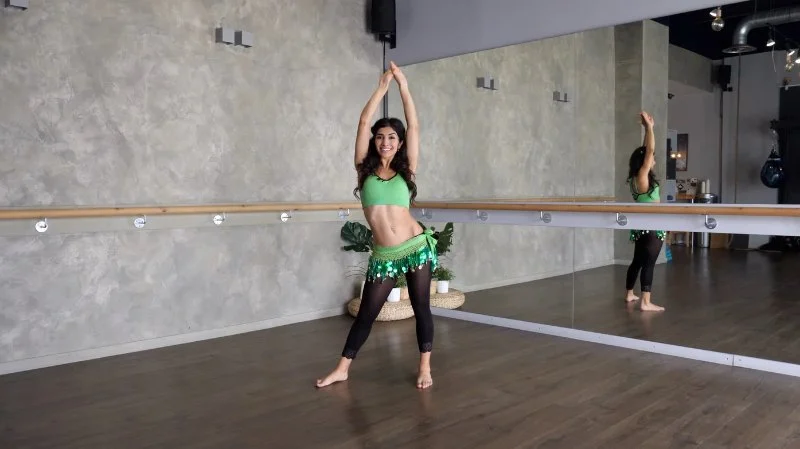
1- Introduction to Belly Dance and Flexibility
Belly dance is an ancient and dynamic dance form that involves a wide range of movements designed to improve body awareness, control, and flexibility. Whether you're a beginner or looking to refine your technique, belly dance can be an excellent way to enhance your flexibility while enjoying a fun and expressive workout. In this article, we will explore how mastering belly dance can significantly improve your flexibility and provide tips to help you get the most out of your practice.
1.1- What is Belly Dance?
Belly dance, also known as Oriental dance, is a traditional dance form that focuses on isolating movements of the torso, hips, and arms. It is known for its fluid, undulating movements and intricate footwork. The dance’s emphasis on core strength, balance, and flexibility makes it an excellent choice for improving mobility and flexibility over time.
1.2- The Connection Between Belly Dance and Flexibility
Belly dance involves a variety of movements that target different muscle groups, particularly in the core, hips, and back. These movements require both strength and flexibility. As you practice belly dance, your body becomes more accustomed to performing fluid, controlled motions, which helps increase your overall flexibility. The continuous stretching, bending, and twisting movements involved in belly dance gradually improve joint mobility and muscle elongation.
2- Key Techniques in Belly Dance to Improve Flexibility
Mastering belly dance involves learning specific techniques and exercises that help improve flexibility. Below are some of the key movements and practices that will help you enhance your flexibility while belly dancing.
2.1- Hip Circles and Shimmies
One of the foundational movements in belly dance is the hip circle, which requires fluid motion and helps stretch and warm up the hips. To perform a proper hip circle, start by standing with your feet slightly apart. As you move your hips in a circular motion, focus on the fluidity and smoothness of the movement. This technique helps stretch the hip flexors, inner thighs, and lower back, improving overall flexibility in the hip region.
2.1.1- How Shimmies Improve Flexibility
Shimmies are rapid, vibrating movements of the hips and torso. To perform a basic shimmy, bend your knees slightly and shake your hips quickly. This movement not only strengthens the hip and core muscles but also helps loosen the joints and increase flexibility over time. Regular shimmy practice can significantly improve flexibility in your lower body.
2.2- Arm Movements and Upper Body Flexibility
Belly dance is known for its graceful arm movements, which help to improve flexibility in the shoulders, arms, and wrists. To increase upper body flexibility, focus on smooth and controlled arm movements such as extended arms, chest lifts, and shoulder rolls. These movements help stretch the shoulders, upper back, and arms, promoting increased flexibility in the upper body.
2.3- Undulations and Rib Cage Stretching
Undulations are essential in belly dance, involving the smooth, wave-like movement of the torso. The movement typically starts at the chest and ripples down through the torso to the hips. This exercise stretches and strengthens the spine, chest, and abdomen. As you master undulations, you'll notice improved flexibility in your spine and rib cage, as well as greater control over your movements.
3- Flexibility Exercises to Complement Belly Dance
In addition to learning specific belly dance movements, it's important to complement your practice with flexibility exercises. These exercises will not only enhance your belly dance performance but also improve your overall range of motion and reduce the risk of injury.
3.1- Stretching and Warm-up Techniques
Before diving into belly dance routines, it’s essential to warm up your muscles to prevent injury and enhance flexibility. Focus on gentle stretches for the hips, legs, and back. Exercises like hip flexor stretches, hamstring stretches, and cat-cow stretches for the spine will prepare your body for the dynamic movements of belly dance.
3.2- Yoga and Pilates for Flexibility
Incorporating yoga and Pilates into your routine can greatly improve your flexibility for belly dance. Yoga poses like the downward dog and cobra help stretch and strengthen the back, while Pilates focuses on core strength and flexibility. These practices complement belly dance movements, improving flexibility in the torso and legs, which are essential for fluid belly dance performance.
4- Real-Life Stories: How Belly Dance Transformed Flexibility
Real-life examples can help illustrate how belly dance can transform flexibility. Below are two stories of dancers who improved their flexibility through belly dance practice:
4.1- Sarah’s Journey to Greater Flexibility
Sarah, a 34-year-old beginner belly dancer, started practicing to improve her flexibility after years of sitting at a desk job. Within a few months of practicing belly dance regularly, she noticed significant improvements in her hip and back flexibility. The smooth hip circles and undulations helped her open up her hips and relieve tension in her lower back, making daily activities more comfortable and graceful.
4.2- Mark’s Progress in Arm Flexibility
Mark, a fitness enthusiast, took up belly dance as a way to improve flexibility in his arms and shoulders. At first, he found the fluid arm movements challenging, but over time, he noticed increased mobility and flexibility in his upper body. The arm movements and shoulder rolls helped him build strength and flexibility in his arms, which enhanced his performance in other activities such as weightlifting and yoga.
5- Why You Should Learn Belly Dance for Flexibility
Learning belly dance is a fun and effective way to improve flexibility, strength, and body awareness. Whether you're a beginner or an experienced dancer, belly dance provides a full-body workout that helps increase flexibility over time. The dance's emphasis on fluid, controlled movements, combined with complementary flexibility exercises, ensures that you'll see noticeable improvements in your range of motion and overall flexibility.
If you're ready to start your belly dance journey or need expert guidance to improve your flexibility, visit American Dance Academy for top-notch lessons and resources to help you master belly dance and enhance your flexibility.




 U-Jam Fitness5.0 (39 reviews)
 DivaDance® Katy5.0 (63 reviews)
 SHINE Performing Arts Christian Preschool and Dance Center5.0 (5 reviews)
 The Reid Academy5.0 (25 reviews)
 SRNB Dance Academy LLC0.0 (0 reviews)
 Dancers Ink LLC5.0 (8 reviews)
 Are School Dances Fun? The Excitement Behind High School Socials
 How to Master Belly Dance for Beginners
 How a Video of School Dance Becomes a Lasting Memory
 Why Bollywood Dance Is Popular to Try in 2025
 Why Jazz Dance Is Popular: A Step by Step Guide for Beginners
 Why Was Square Dancing Taught in School?