Waltz for Kids – Everything You Should Know
- 1. Why Teach Waltz to Kids?
- 2. Benefits of Waltzing for Kids
- 3. Getting Started with Waltz for Kids
- 4. Waltz Dance Steps for Kids
- 5. Real-Life Examples of Kids Learning Waltz
- 6. Why Choose American Dance Academy for Your Child’s Waltz Lessons
1. Why Teach Waltz to Kids?
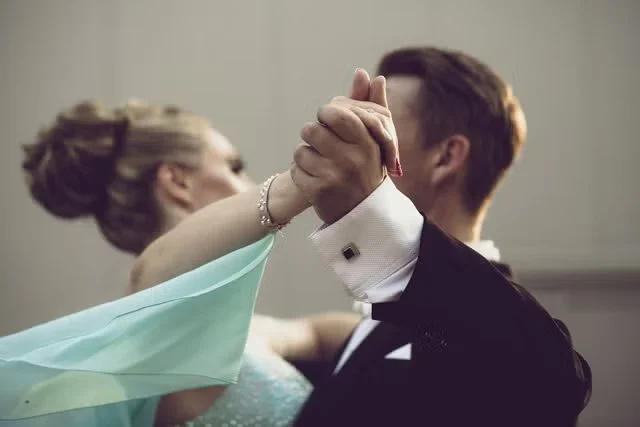
The waltz is a timeless and elegant ballroom dance, and while it’s often associated with formal events, it can also be an excellent introduction to dance for children. Teaching kids how to waltz not only introduces them to the world of ballroom dancing but also helps develop important life skills such as rhythm, coordination, and social interaction.
Starting with the waltz allows children to build a foundation for other dance styles. The slow, graceful movements of the waltz encourage children to learn balance, posture, and timing, all of which are essential skills for any dancer.
2. Benefits of Waltzing for Kids
There are many benefits to teaching children how to waltz. Aside from being a fun and engaging activity, waltzing helps children in the following ways:
- Physical Coordination: Waltzing helps children improve their coordination by requiring them to learn how to move in sync with a partner and in time with music.
- Social Skills: Since waltzing is a partner dance, it encourages children to communicate and work together with others, teaching them cooperation and respect.
- Emotional Development: Through dance, kids can express themselves creatively and develop confidence as they learn new skills.
- Discipline and Focus: Learning to dance, especially a style like the waltz, requires focus, attention to detail, and regular practice, helping kids develop discipline and patience.
- Improved Posture: The waltz teaches good posture as it requires both partners to stand upright and maintain proper alignment throughout the dance.
3. Getting Started with Waltz for Kids
Starting children on their waltz journey can be easy and fun, especially when you choose the right environment and approach. Here are some steps to help your child begin their waltz lessons:
- Choose a Kid-Friendly Dance Studio: Look for a dance studio with experienced instructors who specialize in teaching children. A positive, encouraging environment will help your child feel comfortable learning a new skill.
- Start with Basic Waltz Steps: Begin with simple, basic movements. Kids don’t need to master the entire waltz right away. Starting with a few steps can help them build confidence before moving on to more complex elements.
- Keep It Fun: Dance lessons for children should be fun! Using music, games, and playful movements will help keep them engaged and excited to continue learning.
- Make Practice Enjoyable: Encourage your child to practice regularly, but keep practice sessions short and fun. Celebrate small victories to keep them motivated.
4. Waltz Dance Steps for Kids
The waltz consists of three steps: a step forward, a step to the side, and a step backward, all in a 3/4 time signature. Here’s a simplified breakdown of the basic waltz steps for kids:
1. The Box Step
The most common basic step in waltz is the box step. It forms the foundation of the waltz, involving the following movements:
- Leader (typically the male): Step forward with the left foot, step to the side with the right foot, then bring the left foot to meet the right. Repeat with the opposite foot.
- Follower (typically the female): Step backward with the right foot, step to the side with the left foot, and then bring the right foot to meet the left. Repeat with the opposite foot.
2. The Turning Waltz
Once children are comfortable with the basic box step, they can begin incorporating turns. The turning waltz involves rotating while executing the box step, allowing the dancer to move around the floor smoothly.
5. Real-Life Examples of Kids Learning Waltz
One inspiring example comes from Emily, a 10-year-old who started waltz lessons at the American Dance Academy. Initially unsure about dancing, Emily quickly fell in love with the graceful movements and the rhythm of the waltz. After just a few months of practice, Emily performed in a local recital, impressing everyone with her confidence and precision. She now looks forward to each class and has even started learning more challenging dances!
Stories like Emily’s show how learning to waltz can instill confidence and self-expression in kids. Whether they dance for fun or aim to compete, waltzing provides lifelong benefits.
6. Why Choose American Dance Academy for Your Child’s Waltz Lessons
At American Dance Academy, we specialize in providing high-quality dance lessons for children, including waltz and other ballroom dances. Our experienced instructors create a fun and supportive environment where your child can grow as a dancer while enjoying the process. We focus on building technique, confidence, and a love of dancing, ensuring that your child has a positive experience from their very first lesson.
Visit us today to learn more about our dance programs and how we can help your child develop their skills in waltz and other dance styles. Whether your child is a beginner or has some experience, we are here to guide them on their dance journey!


 Kriti Dance5.0 (1 reviews)
 Ballis Dance Studio5.0 (34 reviews)
 Mountain Dance Company5.0 (31 reviews)
 High Voltage Dance Company5.0 (4 reviews)
 Selah Groove Creative Arts & Enrichment Academy5.0 (4 reviews)
 Living Tango - Argentine Tango lessons, Coaching & Wedding Dance prep5.0 (13 reviews)
 Do Students Go to School Dances Anymore?
 Are There Dances in Middle School? What Students and Parents Should Know
 Can Students Slow Dance at Dysart Schools? Here’s the Real Story
 Did Jennifer Lopez Go to Dancing School?
 Do They Still Have School Dances at Illinois Wesleyan? What Students Should Know
 Do Schools in France Have Dances? Discover French Dance Traditions