Origin of Line Dance: A Cultural History
Line dancing has long been a popular form of social dance, particularly in the United States, but its roots stretch far beyond modern American country music. The origins of line dance can be traced back to folk dances and traditional movements from various cultures. It was a way for communities to gather and express themselves through rhythm and motion.
Historically, the idea of dancing in lines can be found in multiple cultures around the world. In Europe, dances like the "Cotillion" were done in formations, and in the United States, square dances evolved into line dances, especially in rural areas. However, line dancing as we know it today gained significant popularity in the 20th century, largely influenced by country-western music, particularly in the 1970s and 1980s.
The Evolution of Line Dance Over Time
Line dancing evolved significantly over the years. It began as a form of communal dance, with people performing simple steps in unison to folk music. Over time, the steps became more complex, and line dance started to integrate with modern music genres, including country, pop, and even hip-hop.
During the 1970s and 1980s, line dancing exploded in popularity thanks to the country music scene and TV programs like "Hee Haw" and "American Bandstand." Songs like "Achy Breaky Heart" by Billy Ray Cyrus and "Boot Scootin' Boogie" by Brooks & Dunn became anthems for the growing line dance culture.
The rise of line dance was also closely tied to the larger cultural movements of the time. It offered an accessible and inclusive way for people of all ages and backgrounds to engage with dance, contributing to its enduring popularity in both social settings and fitness classes today.
Line Dance in American Culture: From Country to Modern
While line dancing has its roots in country and western traditions, its impact on American culture goes far beyond this genre. As line dance became more mainstream, it began to incorporate various styles of music and dance. Today, you can see line dancing performed to pop, Latin, and even electronic dance music (EDM).
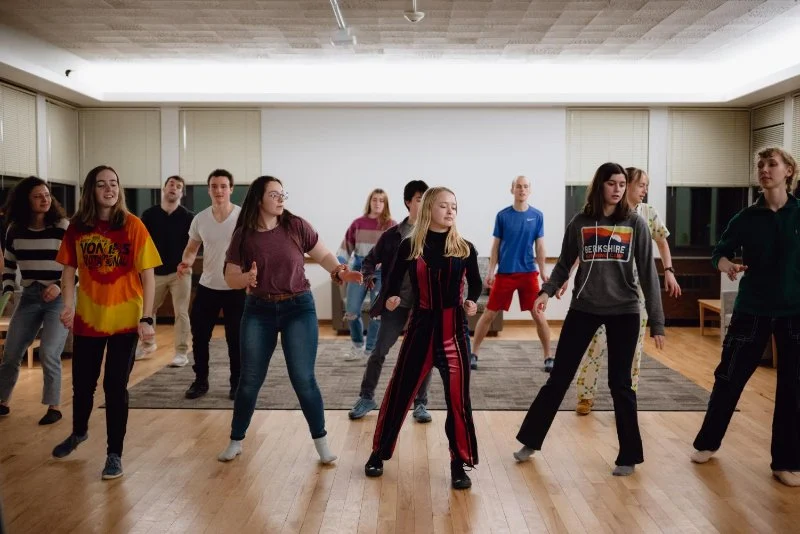
In American culture, line dancing is synonymous with fun, inclusivity, and community. It's not just for country music lovers; it's a popular activity in dance clubs, weddings, and fitness classes. The dance's simple, repetitive steps make it easy to learn, and people from all walks of life participate in line dance events. The dance style offers both a fun workout and a social experience, making it a beloved tradition in many communities.
Global Influence of Line Dance
Although line dancing originated in the United States, it has spread to other parts of the world and has become a global phenomenon. From Europe to Asia, line dance has found a place in various countries, where it is performed at social gatherings, festivals, and even as a part of exercise routines.
In places like Japan, Australia, and parts of Europe, line dance classes and events have gained popularity in recent years. It’s a testament to the universal appeal of this simple yet energetic form of dance. International line dance festivals now attract dancers from all over the world, showcasing the global impact of American cultural traditions.
Popular Line Dance Styles You Should Know
Over the years, various styles of line dancing have emerged, each with its own unique characteristics. Some of the most popular include:
- Country Line Dancing: This is the most traditional form of line dance, typically performed to country music. It involves simple, synchronized steps, often in 4 or 8 counts, and is characterized by its easy-to-follow patterns.
- Hip Hop Line Dancing: Combining urban beats with traditional line dance steps, this style is popular in clubs and dance classes. It blends the rhythm of hip-hop music with the structure of line dancing, creating a fun, energetic atmosphere.
- Latin Line Dancing: Latin-inspired line dances incorporate movements from salsa, cha-cha, and other Latin dance forms. This style is lively and rhythmic, with an emphasis on footwork and hip movement.
- Modern Line Dancing: Modern line dancing blends various musical genres such as pop, rock, and even EDM. The steps are often more complex, and choreography may include turns, jumps, and various other dynamic movements.
Real-Life Stories: Line Dance in Action
One of the most iconic moments in line dancing history came with the release of "The Electric Slide" in the 1970s. This line dance became a cultural sensation, performed at weddings, parties, and various social gatherings. Today, "The Electric Slide" is still one of the most recognized line dances around the world.
Another example is the "Cha-Cha Slide," which gained massive popularity in the early 2000s, especially in fitness classes. This song-driven line dance, popularized by DJ Casper, is a great example of how line dancing has been adapted to modern tastes while keeping its core community spirit intact.
Whether you're at a wedding, a community event, or a fitness class, you’re likely to encounter people participating in line dance, demonstrating the ongoing popularity and cultural importance of this social activity. For those eager to learn more and get involved, visit American Dance Academy for classes, events, and resources to help you embrace the art of line dancing.


 City Nation Studios4.0 (6 reviews)
 Ballroom East4.0 (34 reviews)
 Dance Vision4.0 (62 reviews)
 Dazzle BBC, LLC5.0 (40 reviews)
 Ganesh Academy of Indian Arts0.0 (0 reviews)
 Danceology4.0 (7 reviews)
 K-Pop Dance Cultural Origins – What You Need to Know | American Dance Academy
 Why Dance Schooling Is Important for Growth, Confidence, and Expression
 Zumba Workout Benefits: Tips from Experts
 Did Michael Jackson Go to Dance School? Unveiling the Secrets Behind His Iconic Moves
 A Dance School Offers Classes in Ballet Folklorico | American Dance Academy
 Top 10 Bachata Moves Fitness Routine for Beginners and Experts