
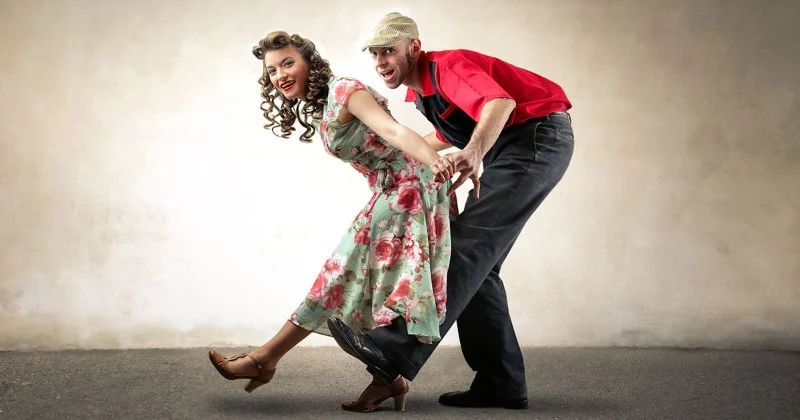
- Why Learn Swing Dance?
- What is Swing Dance?
- Swing Dance Steps: A Step-by-Step Guide
- Where to Find Swing Dance Events Near You
- Tips for Beginners: Getting the Most Out of Your Swing Dance Journey
- Join Swing Dance Communities
Why Learn Swing Dance?
Swing dance is an energetic and fun way to connect with others while enjoying music from the past century. Whether you’re looking to improve your fitness, learn a new hobby, or simply have fun, swing dancing offers numerous benefits. Not only is it a fantastic way to stay active, but it also promotes rhythm, coordination, and confidence.
Learning swing dance can also be a great social activity, as it often involves dancing with different partners and attending lively community events. It’s an excellent way to meet new people while learning the moves that have been enjoyed for generations.
What is Swing Dance?
Originating in the 1920s and reaching its peak in the 1930s and 1940s, swing dance is a lively and improvisational partner dance style that’s typically performed to swing, jazz, and blues music. It’s known for its lively footwork, flips, and spins, making it visually exciting to watch and thrilling to perform.
There are several different styles of swing dance, including:
- Lindy Hop: Known for its high-energy moves and acrobatic elements, this style is one of the most popular and influential forms of swing dance.
- East Coast Swing: A more accessible and simplified version of swing dance, making it perfect for beginners.
- West Coast Swing: A smooth and slotted version of swing dance, often performed to modern pop or R&B music.
- Shag: A fun, fast-paced swing dance that’s easy to learn and known for its rhythmic footwork.
Swing Dance Steps: A Step-by-Step Guide
If you're new to swing dancing, the first thing you’ll want to do is learn the basic steps. Here’s a simple breakdown of the basic steps for East Coast Swing, one of the most popular forms of swing dance:
1. The Basic Step
The basic step consists of six counts (often referred to as “6-count swing”), and it’s the foundation of most swing dances. For the leader (traditionally the man) and follower (traditionally the woman), the basic steps are as follows:
- Leader: Step back with your left foot (1), step together with your right foot (2), then step forward with your left foot (3), step together with your right foot (4), step back with your left foot (5), and step together with your right foot (6).
- Follower: Reverse the leader’s steps, starting with stepping back with your right foot.
2. Rock Step
The rock step is a crucial part of swing dancing. It involves a quick shift of weight between the feet, usually to help prepare for spins or other intricate moves. Rock steps are often performed in sync with the beat of the music.
3. Swing Out or Turn
As you get more comfortable with the basics, you can start incorporating spins, turns, and swing-out moves. These moves add style and excitement to your dance and are where the real fun begins.
Where to Find Swing Dance Events Near You
Now that you’re excited about learning swing dance, it’s time to find some events near you. Fortunately, swing dancing is still a vibrant community in the USA, and there are plenty of places to practice and learn.
1. Local Dance Studios
Many dance studios offer swing dance classes for all skill levels, from beginners to advanced dancers. These classes are a great way to get started, as they provide structured lessons with professional instructors. Check out studios in your area, like American Dance Academy, for group classes or private lessons.
2. Dance Halls and Social Events
Many cities host swing dance nights, where you can practice your moves in a social setting. These events often feature live bands or DJs playing swing music, giving you the opportunity to enjoy the music while improving your dancing. Look for regular swing dance nights at local dance halls, community centers, or venues.
3. Online Communities
If you can’t find a local swing dance event, many online communities offer virtual dance classes or connections to dance events around the world. Online platforms can be a great place to learn new steps, share tips, and connect with fellow dancers.
Tips for Beginners: Getting the Most Out of Your Swing Dance Journey
Here are some helpful tips to ensure you enjoy your swing dance experience and progress as a dancer:
1. Be Patient and Have Fun
Learning swing dance takes time, so don’t be discouraged if you don’t get the steps right immediately. Keep practicing, and remember to have fun along the way!
2. Practice Regularly
The more you practice, the better you’ll become. Try to practice at least once a week to build muscle memory and confidence in your moves.
3. Dance with Different Partners
One of the great things about swing dance is that it’s social, and it’s a wonderful opportunity to dance with different partners. This helps you improve your leading or following skills, making you a more versatile dancer.
Join Swing Dance Communities
One of the best ways to improve your swing dancing skills is to join a community of like-minded dancers. Whether online or in person, these communities offer a wealth of resources, support, and social events where you can practice and learn from others.
By participating in swing dance events and joining a community, you’ll find plenty of opportunities to practice your new skills, meet other dancers, and, most importantly, have fun.
If you're ready to take your swing dance journey to the next level, check out American Dance Academy for classes, events, and resources to help you grow as a dancer.
 Crossroads Dancing5.0 (5 reviews)
 Uptown Girl5.0 (5 reviews)
 Fusion Center For Dance4.0 (39 reviews)
 Dance Passion5.0 (180 reviews)
 Northeast Iowa Dance Academy5.0 (10 reviews)
 Studio 3 Dance4.0 (16 reviews)
 Do British Schools Have School Dances? A Cultural Look Inside UK Student Life
 K-Pop Dance to Improve Flexibility – What You Need to Know
 Shuffle Dance Cultural Origins – Complete Guide | American Dance Academy
 De Braam School of Dance & Theatre Arts: Where Talent Meets Excellence
 Do High Schools Still Have Dances? Understanding Modern High School Dance Culture
 Why K-Pop Dance Is Popular and How You Can Learn It