
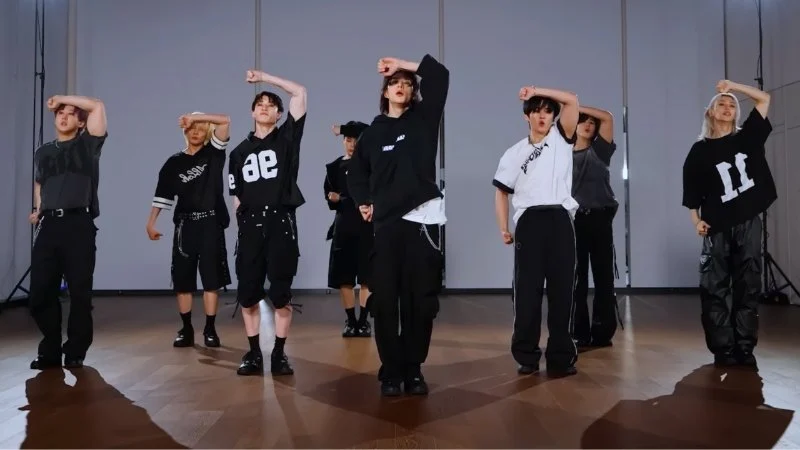
- #Understanding-Kpop-Dance-Cultural-Roots - why cultural context matters
- #How-Kpop-Dance-Evolved-Globally - from Korea to worldwide stages
- #Common-Mistakes-Dancers-Make - habits that slow progress
- #Technique-And-Expression-Balance - mastering performance quality
- #Real-Story-From-Beginner-To-Performer - learning through experience
- #Professional-Tips-To-Improve-Faster - training like a pro
1. Understanding K-Pop Dance Cultural Roots
K-pop dance is more than just synchronized choreography—it is deeply rooted in Korean culture, global music influences, and performance storytelling. To truly understand K-Pop Dance Cultural Origins: Common Mistakes to Avoid, it’s important to recognize that this style blends hip-hop, jazz, street dance, and traditional performance discipline.
1.1 The Influence of Korean Entertainment Culture
Unlike many Western dance trends that emphasize individuality first, K-pop training focuses heavily on group harmony. Every movement is designed to align perfectly with others, creating a visually powerful performance. This is why timing, angles, and facial expressions are all equally important.
1.2 Why Cultural Awareness Improves Your Dance
Dancers who ignore the cultural roots often struggle with authenticity. Understanding the intention behind choreography—whether it's confidence, playfulness, or emotional storytelling—helps dancers perform rather than just execute steps.
Many learners at American Dance Academy notice that once they study the cultural background, their movements feel more natural and expressive instead of mechanical.
2. How K-Pop Dance Evolved Globally
K-pop dance didn’t become global overnight. It evolved through decades of influence, starting with Korean pop in the 1990s and expanding through social media platforms like YouTube and TikTok.
2.1 The Role of Viral Choreography
Choreographies from groups like BTS and BLACKPINK gained massive traction online. Fans around the world began learning dances frame-by-frame, creating a global learning culture.
2.2 The Shift From Fans to Skilled Dancers
Initially, many people approached K-pop dance casually. Today, it has become a serious training discipline. Dance studios across the U.S. now offer structured K-pop programs, emphasizing technique, stamina, and performance quality.
3. Common Mistakes Dancers Make
When learning K-Pop Dance Cultural Origins: Common Mistakes to Avoid, several patterns appear repeatedly among beginners and even intermediate dancers.
3.1 Over-Focusing on Memorization
1. Many dancers prioritize memorizing choreography over understanding movement quality.
2. This leads to stiff performances that lack energy and fluidity.
3. True mastery comes from breaking down movements and practicing transitions, not just repeating sequences.
3.2 Ignoring Musicality
1. K-pop choreography is tightly connected to rhythm and beat accents.
2. Missing subtle timing changes can make a dancer appear off even if the steps are correct.
3. Training with music variations helps improve adaptability and precision.
3.3 Underestimating Facial Expressions
1. Performance is a core element of K-pop.
2. Many dancers focus only on body movement and forget expressions.
3. This creates a disconnect between movement and storytelling.
4. Technique and Expression Balance
One of the most important aspects of improving in K-pop dance is finding the balance between clean technique and emotional expression.
4.1 Building Strong Foundations
1. Start with posture, weight transfer, and core control.
2. Practice isolations to improve body coordination.
3. Focus on sharpness and control before adding speed.
4.2 Adding Personal Style Without Losing Accuracy
1. Once the basics are solid, subtle personal flair can enhance performance.
2. However, exaggerating movements too early can break synchronization.
3. The goal is to stay true to choreography while expressing individuality.
Programs at American Dance Academy often emphasize this balance, helping dancers avoid developing bad habits early on.
5. Real Story From Beginner to Performer
A college student in California, Jason, started learning K-pop dance during lockdown by following online tutorials. At first, he memorized routines quickly but struggled to look natural.
After joining a local dance group, he realized his biggest mistake—he wasn’t connecting with the music. By slowing down his practice and focusing on rhythm and expression, his performance improved dramatically.
Within a year, Jason performed at a campus showcase, surprising even himself. His journey reflects a common truth: progress in K-pop dance comes from understanding, not rushing.
6. Professional Tips to Improve Faster
To truly benefit from learning K-Pop Dance Cultural Origins: Common Mistakes to Avoid, applying structured strategies can accelerate improvement.
6.1 Train Smarter, Not Longer
1. Break choreography into small sections.
2. Practice each section slowly before combining them.
3. Use video recording to analyze mistakes objectively.
6.2 Learn From Multiple Sources
1. Study official choreography videos.
2. Watch different dancers interpret the same routine.
3. This builds adaptability and deeper understanding.
6.3 Stay Consistent and Patient
1. Improvement in dance is gradual.
2. Regular practice builds muscle memory and confidence.
3. Small daily progress leads to noticeable long-term results.
For those looking to take their skills further, American Dance Academy offers structured guidance, helping dancers refine both technique and performance while staying connected to the cultural essence of K-pop.
 Linda Buell's Dance Workshop5.0 (2 reviews)
 Joy Performing Arts5.0 (10 reviews)
 Just Dancin'4.0 (17 reviews)
 Pyramid Bellydance5.0 (4 reviews)
 Your Performing Arts Center - Dance, Music, Theatre - Yorkville Downtown4.0 (30 reviews)
 Standalone MMA, Brazilian Jiu-Jitsu, Boxing, Muay Thai Kickboxing and Fitness4.0 (28 reviews)
 Do Dance Schools Pay VAT? What School Owners Need to Know
 Hip Hop for Beginners: Step by Step Guide to Mastering Dance Moves
 Are There Private Schools Just for Dance? Explore Your Options
 Do Colleges Have School Dances? Exploring Campus Dance Culture
 Why Waltz is Popular for College Students
 Are School Dances Mandatory? What You Need to Know About Attending or Skipping