Salsa Explained – Everything You Should Know
- 1. What Is Salsa?
- 2. History of Salsa
- 3. Salsa Moves and Techniques
- 4. Salsa Dance Styles
- 5. How to Learn Salsa
- 6. How American Dance Academy Can Help
1. What Is Salsa?
Salsa is an energetic and lively Latin dance style that is widely enjoyed around the world. Characterized by its infectious rhythm and vibrant footwork, Salsa is often performed to fast-paced, upbeat Latin music. Although it originated in the Caribbean, particularly Cuba and Puerto Rico, Salsa has evolved over the years, blending elements of jazz, swing, and other musical genres.
The Basics of Salsa
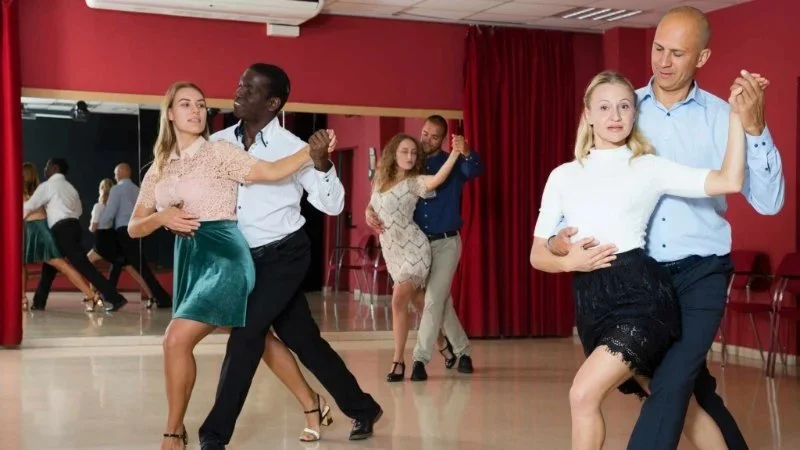
Salsa involves intricate footwork, fast spins, and smooth partner interactions. It is typically performed to 4/4 time music, and the basic rhythm follows a "quick-quick-slow" pattern. The dance can be performed individually or with a partner, making it incredibly versatile and enjoyable for both beginners and experienced dancers alike.
2. History of Salsa
The origins of Salsa can be traced back to the fusion of African rhythms, Cuban son, jazz, and other Latin influences. It began to take shape in Cuba during the early 20th century, later spreading to New York City in the 1960s. It was in NYC, with the influence of Puerto Rican immigrants, that Salsa developed into the version we know today.
From Cuba to New York
In Cuba, dances like son and mambo were precursors to Salsa, with their syncopated rhythms and energetic movements. As Salsa spread to New York City, it was influenced by jazz and swing, creating a more dynamic and complex style of dancing. Over time, Salsa became more global, spreading across the world and inspiring different regional variations, such as Salsa on1 and Salsa on2.
3. Salsa Moves and Techniques
To master Salsa, it's essential to learn the basic steps and movements that form the foundation of the dance. Here are some key moves and techniques that every dancer should know:
1. The Basic Step
The basic step is the core of Salsa. This simple step involves shifting your weight back and forth between your feet, with a "quick-quick-slow" rhythm. Once you master this, you'll be able to build on it and add more complex footwork and spins.
2. The Cross-Body Lead
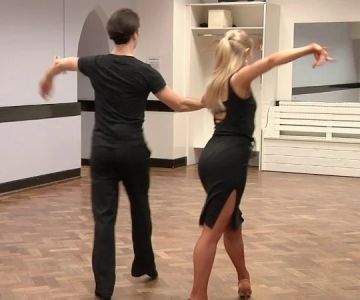
The Cross-Body Lead is a fundamental partner move in Salsa. It involves the lead (usually the man) guiding the follower (usually the woman) across the dance floor, allowing them to change positions smoothly. This move helps to create a fluid connection between partners and is key to Salsa partner dancing.
3. Turns and Spins
Turns and spins are essential in Salsa. The lead directs the follower to perform spins while maintaining proper timing and form. A successful turn or spin in Salsa requires good posture, balance, and awareness of the music's rhythm. Once you have mastered basic turns, you can incorporate more advanced spins for extra flair.
4. Hip Movement
One of the defining features of Salsa is its hip movement. The hips play an important role in giving the dance its signature flow and sensuality. Practicing hip isolation and making sure your body moves naturally with the rhythm of the music will elevate your Salsa technique.
4. Salsa Dance Styles
Salsa is a versatile dance with different styles based on region, tempo, and rhythm. Here are some popular Salsa styles to explore:
1. Salsa on1
Salsa on1, also known as “LA Style,” is the most common Salsa style in the United States. It involves stepping forward on the first beat and backward on the second beat. The movements are sharp, and the dance tends to be faster-paced compared to other styles.
2. Salsa on2
Salsa on2, often referred to as "New York Style," is characterized by stepping on the second beat of the music, giving it a smoother, more flowing feel. This style is often preferred by advanced dancers due to its complex rhythms and precise timing.
3. Salsa Rueda de Casino
Salsa Rueda de Casino is a group Salsa dance where couples dance in a circle and perform synchronized moves, often based on verbal calls from the leader. This style adds a social, interactive element to Salsa and is fun for groups and dance events.
5. How to Learn Salsa
Learning Salsa involves more than just memorizing steps. To truly master Salsa, you need to practice regularly, stay consistent, and develop a deep understanding of rhythm, body movement, and partner interaction. Here’s how you can start:
1. Take Salsa Classes
One of the best ways to learn Salsa is by attending regular classes. Whether you're a beginner or an experienced dancer, structured classes with professional instructors can help you progress quickly. Start with basic Salsa lessons and gradually move to more advanced techniques as you improve.
2. Practice with a Partner
Partner dancing is at the heart of Salsa, and practicing with a partner will help you improve your lead-follow skills and timing. Regular practice with someone who is also learning will help both of you become more comfortable with the steps and rhythm.
3. Dance to Salsa Music
Listening to Salsa music outside of class will help you familiarize yourself with the rhythms and beats. Practice moving to the music on your own, focusing on the timing of your steps and staying in sync with the tempo.
6. How American Dance Academy Can Help You Master Salsa
At American Dance Academy, we offer expert-led Salsa classes for dancers of all levels. Whether you're just starting or looking to refine your technique, our instructors provide personalized guidance and support. Our classes are designed to help you build confidence, master key Salsa moves, and connect with the music. Visit our website for more information about our Salsa classes and start your Salsa journey with us today!

 Spark of Creation Studio4.0 (54 reviews)
 Kitty Carters Dance Factory4.0 (16 reviews)
 Royal Pointe Events0.0 (0 reviews)
 Garth Fagan Dance5.0 (12 reviews)
 Laura's Home Studio5.0 (2 reviews)
 Ordway Conservatory of Classical Ballet4.0 (105 reviews)
 The History of Tap Dance Every Dancer Should Know
 Are High School Dances Worth It? What You Should Know Before Deciding
 Can Students Slow Dance at Dysart Schools? A Guide to Policies and Respectful Expression
 Why Swing Dance Is Popular & You Can Learn at Home
 Are There Private Schools Just for Dance? Explore Your Options
 Top 10 Bachata Moves Fitness Routine