
- 1. The Cultural Roots of Jazz Dance
- 2. Early Development of Jazz Dance in America
- 3. The Evolution of Jazz Dance Styles
- 4. Jazz Dance in Popular Culture
- 5. Contemporary Jazz Dance
1. The Cultural Roots of Jazz Dance
Jazz dance has its roots deeply embedded in African and African-American cultural traditions. The rhythmic movements, improvisation, and expressive nature of jazz dance can be traced back to African tribal dances brought to the United States by enslaved peoples. These early dances heavily influenced what would later become a defining American dance style.
1.1 African Dance Influences: African dance traditions, with their emphasis on rhythmic movement, grounded steps, and energetic bodily expression, form the core of jazz dance's earliest roots. These elements were carried over to America through the forced migration of Africans during the transatlantic slave trade.
1.2 The Role of the African-American Community: The African-American community, especially in New Orleans, played a pivotal role in blending traditional African dance with European ballroom forms, creating a unique and dynamic dance style. The blend of jazz music with movement gave rise to the first distinct jazz dance performances.
2. Early Development of Jazz Dance in America
The roots of jazz dance in America can be traced to the late 19th and early 20th centuries. During this time, the United States was experiencing cultural shifts due to industrialization, urbanization, and the growing influence of African-American culture, particularly through jazz music and the Harlem Renaissance.
2.1 The Birth of Jazz in New Orleans: New Orleans became a central hub for the development of jazz music and, by extension, jazz dance. The music, with its syncopated rhythms and improvisational style, set the stage for the creation of jazz dance as an accompaniment to live jazz bands.
2.2 Early Dance Halls and Vaudeville: During the early 1900s, jazz dance began to flourish in vaudeville theaters and dance halls, where it was popularized by performers such as Josephine Baker. Her energetic performances and incorporation of African-inspired movements made her an iconic figure in the early jazz dance scene.
3. The Evolution of Jazz Dance Styles
As jazz music evolved, so did jazz dance. The early forms of jazz dance, often improvised and raw, gradually became more structured and refined, influenced by Broadway and Hollywood.
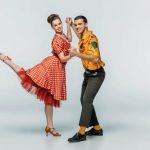
3.1 Swing Dance: During the 1930s and 1940s, swing dance became immensely popular. Dancers like Frankie Manning developed intricate partner routines that blended jazz dance with the swing music of the time, introducing aerial moves and acrobatics.
3.2 Broadway and Hollywood Influence: By the 1940s, jazz dance became a staple of Broadway musicals and Hollywood films. The use of jazz dance in shows like "Cab Calloway's Cotton Club" and movies like "Singin' in the Rain" allowed the art form to reach a global audience and influenced the development of contemporary jazz dance.
4. Jazz Dance in Popular Culture
Jazz dance has had a lasting impact on popular culture, particularly through its integration into mainstream entertainment. From Broadway shows to music videos, jazz dance has influenced a wide range of performance genres.
4.1 Jazz Dance in Film and Television: The 1970s and 1980s saw a rise in jazz dance in movies like "A Chorus Line" and TV shows like "Fame," where jazz was featured as a key part of the dance culture. These films and shows popularized jazz dance for a new generation.
4.2 The Influence of Music Videos: In the 1990s, artists like Michael Jackson, Madonna, and Janet Jackson incorporated jazz dance into their music videos, blending it with other styles like hip-hop and contemporary dance. This brought jazz to a younger, global audience.
5. Contemporary Jazz Dance
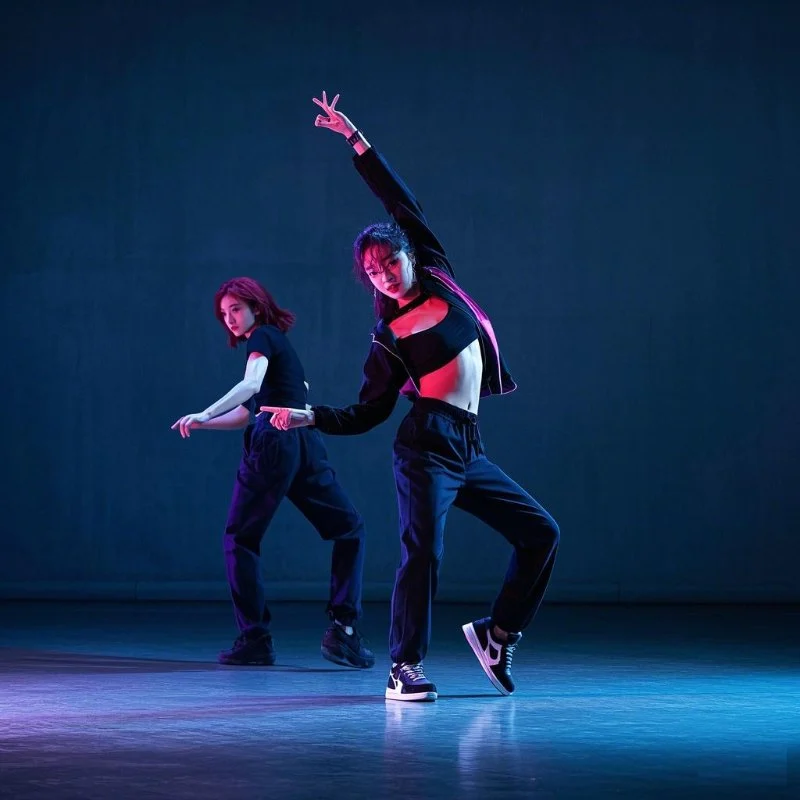
Today, jazz dance continues to evolve, drawing influences from modern dance, ballet, and even hip-hop. Contemporary jazz dance incorporates fluid movements, strong technical foundations, and expressive storytelling.
5.1 Modern Jazz Techniques: In contemporary jazz dance, emphasis is placed on technique, control, and strength. Dancers perform dynamic movements, often using turns, jumps, and stretches to create stunning visual effects.
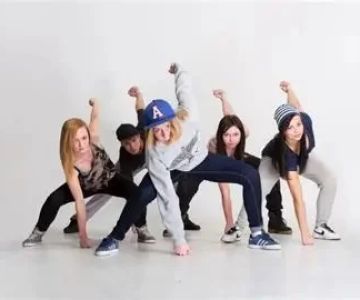
5.2 Fusion of Jazz with Other Dance Styles: Contemporary jazz has evolved into a hybrid style, often blending with hip-hop, lyrical, and even ballet techniques. This fusion allows for greater creativity and expression, leading to performances in contemporary dance festivals and competitions.
Jazz dance continues to influence and inspire performers around the world. To deepen your understanding and improve your skills in jazz dance, consider exploring the programs at American Dance Academy, where you can learn more about this exciting art form.

 Carousel Dance Studio4.0 (5 reviews)
 Sophia in Sapphire Dance Studio0.0 (0 reviews)
 KidzDance4.0 (87 reviews)
 Encore Performing Arts Center4.0 (41 reviews)
 Dance Arts Centre5.0 (1 reviews)
 Little Goddess Trybe American Tribal Style Bellydance5.0 (1 reviews)
 The History of Jazz Dance for Adults: A Guide to Styles and Benefits
 Do Japanese Schools Have School Dances? A Cultural Exploration
 Why Swing Dance Is Popular for Adults | American Dance Academy
 Can’t Stop the Feeling School Dance: Why It Works and How to Make It Shine
 Why Swing Dance Is Popular and You Can Learn at Home
 Top 10 Belly Dance Moves for Kids: A Fun Introduction to Dance