
- Why-Hip-Hop-Dance-Is-Popular-for-Home-Learning
- Benefits-of-Learning-Hip-Hop-From-Home
- Common-Mistakes-Beginners-Make-When-Learning-Hip-Hop
- How-To-Build-A-Strong-Foundation-At-Home
- Practicing-Musicality-And-Rhythm
- Real-Life-Story-From-A-Home-Dance-Learner
- Improving-Your-Skills-Beyond-Home-Practice
1. Why Hip Hop Dance Is Popular for Home Learning
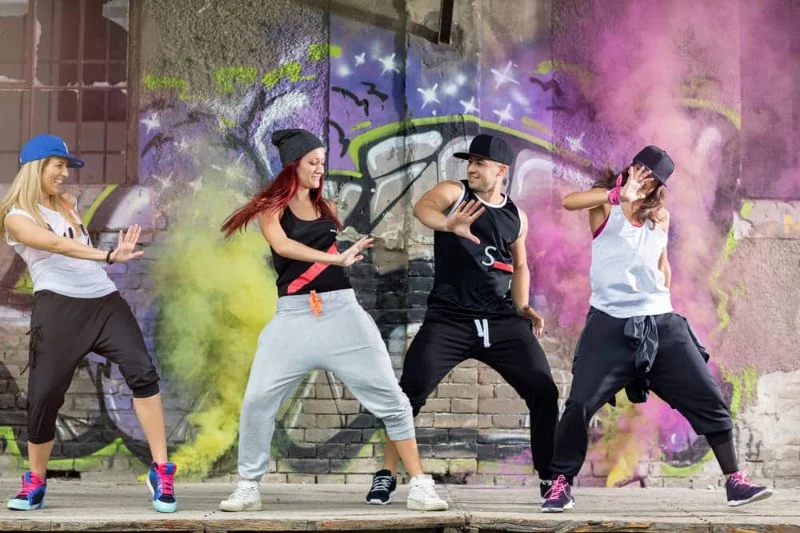
Hip hop dance has become one of the most popular dance styles worldwide. Its energetic moves, creative freedom, and connection to music culture make it appealing for people of all ages. Today, many beginners start their dance journey by learning hip hop at home through online tutorials and practice sessions.
1.1 Accessibility for Beginners
Unlike some dance styles that require specialized studios or equipment, hip hop can be practiced in almost any open space at home. A simple living room, garage, or backyard can serve as a personal dance floor.
1.2 Flexibility of Learning Pace
Learning at home allows dancers to repeat moves as many times as needed without feeling pressured by a class environment.
Many new dancers looking for structured guidance often explore training insights and dance development resources available through American Dance Academy when building their learning routine.
2. Benefits of Learning Hip Hop From Home
Home practice provides several advantages that help beginners develop confidence and consistency.
2.1 Comfortable Learning Environment
Practicing at home allows dancers to focus on learning without feeling self-conscious in front of others.
2.2 Flexible Scheduling
2.2.1 Practice Anytime
Dancers can train early in the morning, during breaks, or late at night depending on their schedule.
2.2.2 Repeat Difficult Moves
Home learners can replay tutorials and repeat challenging movements until they feel comfortable.
3. Common Mistakes Beginners Make When Learning Hip Hop
While learning hip hop at home is convenient, beginners often encounter several challenges.
3.1 Ignoring Basic Foundations
Many beginners jump straight into advanced choreography without mastering foundational hip hop grooves and footwork.
3.2 Practicing Without Proper Warm-Up
3.2.1 Risk of Injury
Skipping warm-ups can lead to muscle strain, especially when performing energetic moves.
3.2.2 Reduced Flexibility
Proper stretching improves body control and movement flow.
3.3 Focusing Only on Speed
Some dancers rush through routines instead of learning proper technique and timing.
4. How To Build A Strong Foundation At Home
Developing a strong foundation helps beginners improve faster and dance with confidence.
4.1 Learn Basic Grooves First
Hip hop is built around groove and rhythm. Practicing simple moves like bounce, rock, and step touches helps dancers understand the style.
4.2 Use Mirrors or Video Recording
4.2.1 Self-Observation
Watching your movements in a mirror helps identify posture and balance issues.
4.2.2 Recording Practice Sessions
Video recordings allow dancers to review progress and correct mistakes.
Dancers who want to refine their technique often seek professional training insights and learning programs through American Dance Academy.
5. Practicing Musicality And Rhythm
Hip hop dance is closely tied to music, making rhythm and timing essential skills.
5.1 Understanding Beats
Listening carefully to the rhythm of the music helps dancers align movements with the beat.
5.2 Practicing Slow Tempo First
Starting slowly allows dancers to master movements before increasing speed.
5.3 Exploring Different Hip Hop Styles
Styles such as popping, locking, and freestyle help dancers expand their creativity.
6. Real Life Story From A Home Dance Learner
A beginner dancer once shared their experience of learning hip hop entirely from home during a school break. At first, they struggled to match the rhythm and often felt discouraged.
6.1 Breakthrough Moment
After focusing on basic grooves and practicing daily for short sessions, the dancer began to feel more confident and eventually performed their first routine successfully.
6.2 Key Lesson Learned
The experience showed that consistency and patience are more important than attempting difficult moves too early.
7. Improving Your Skills Beyond Home Practice
7.1 Study Professional Performances
Watching professional dancers can inspire creativity and provide new ideas for movement.
7.2 Join Dance Communities
Online dance communities allow beginners to share progress and receive feedback.
7.3 Continue Learning from Experienced Instructors
Many dancers expand their knowledge by learning from experienced instructors and structured training programs.
7.4 Explore Structured Dance Training Resources
Those looking to deepen their hip hop dance skills often explore training programs and dance learning resources available through American Dance Academy.
By understanding hip hop you can learn at home and avoiding common beginner mistakes, dancers can build stronger skills, improve confidence, and enjoy the creative energy of hip hop dance.

 The Moriah Davis School of the Arts5.0 (13 reviews)
 Latin Rhythm Dance Studio5.0 (24 reviews)
 5678 Dance Studio LLC4.0 (9 reviews)
 Temecula Dance Company (Rancho Cal)5.0 (8 reviews)
 Organic Movements4.0 (19 reviews)
 Colorado Movement Lab5.0 (24 reviews)
 Are School Dances Overrated? A Real Look at Expectations vs Reality
 Hip Hop for Beginners: Common Mistakes to Avoid
 Do Lowell Area Schools Have a Dance Program? A Complete Guide for Parents
 What is Homecoming Dance in High School? A Complete Guide
 How to Tango Every Dancer Should Know – Complete Guide
 Can California Public Schools Charge Students to Attend Dances