
1. The History of Waltz
The waltz, a ballroom dance known for its elegance and grace, has a long and fascinating history that dates back to the 18th century. Originally from Austria, the waltz was initially viewed as scandalous because of its close embrace and rotating movements, which were considered too intimate for public dancing. Over time, however, it gained popularity across Europe and eventually became a staple in ballroom dancing worldwide.
The dance's signature 3/4 rhythm, with its flowing and sweeping movements, helped solidify its place in dance culture. By the 19th century, the waltz had undergone several transformations, including the introduction of different variations such as the Viennese waltz and the slow waltz. The waltz’s rise in popularity coincided with the era of classical music, with composers like Johann Strauss II contributing iconic waltz compositions that are still danced to today.
2. Why You Should Learn the Waltz
The waltz is more than just a dance; it's a cultural experience. Learning to waltz offers many benefits, making it a popular choice for both beginners and seasoned dancers:
- Elegance and Grace: The waltz is known for its smooth, elegant movements. Mastering the waltz can help improve your posture, balance, and coordination.
- Social Benefits: As a popular ballroom dance, the waltz is often danced at formal events, including weddings, galas, and social gatherings. Knowing how to dance the waltz allows you to confidently participate in these events.
- Physical Fitness: The waltz is a low-impact, full-body workout that helps improve cardiovascular health, flexibility, and muscle tone. The dance's flowing movements are also great for enhancing body awareness and control.
- Strengthening Partner Relationships: Since the waltz is a partnered dance, it fosters teamwork, communication, and trust between partners. The dance encourages coordination, making it a great way to bond with a significant other.
3. How to Learn the Waltz
Learning the waltz can be both exciting and rewarding. Here are the essential steps to get started:
- Find a Dance Studio: It's best to start by finding a reputable dance studio or instructor that specializes in ballroom dancing. Studios like American Dance Academy offer structured waltz classes that cater to all skill levels, providing you with expert guidance.
- Start with the Basics: Begin by learning the basic waltz steps, which consist of three simple steps: step forward with the left foot, step to the side with the right foot, and bring the left foot to the right. Once you're comfortable with these steps, you can add more complex movements and variations.
- Practice, Practice, Practice: The key to mastering the waltz is consistent practice. Try to practice the steps at home, preferably with a partner, to get a feel for the rhythm and flow of the dance.
- Focus on Posture and Balance: Proper posture and balance are essential when learning the waltz. Always maintain an upright position with your chest lifted and your weight evenly distributed between both feet.
4. Key Techniques in Waltz Dancing
Mastering the waltz requires an understanding of key techniques. Here are some important tips to elevate your waltz performance:
- Proper Footwork: The basic waltz step is often referred to as the "box step." The smooth flow of this step is crucial for maintaining the dance's signature elegance. Ensure that your movements are fluid and precise.
- Lead and Follow: In the waltz, one partner leads, and the other follows. The leader uses subtle cues through the hands and body to guide the follower through the movements. Effective communication and coordination between partners are essential for a seamless dance experience.
- Timing and Rhythm: Waltz music typically follows a 3/4 time signature. Focus on matching your steps to the rhythm of the music—step, step, step. Maintaining timing is key to making the dance look smooth and effortless.
- Posture and Frame: The waltz is a dance of elegance, so maintaining a strong posture and frame is essential. Keep your arms in a comfortable, but firm, frame, ensuring that both partners remain connected throughout the dance.
5. Waltz in Modern Culture
Although the waltz originated centuries ago, it continues to thrive in modern culture. The waltz remains a popular dance style in ballroom competitions, social events, and even film and television. Its timeless appeal has kept it relevant across generations.
In addition to its classical roots, the waltz has inspired contemporary interpretations. Choreographers have incorporated waltz elements into modern dance routines, creating hybrid dances that blend tradition with modern flair. The waltz's continued presence in dance competitions like "Dancing with the Stars" has introduced it to a new generation of dancers, ensuring that it remains a beloved dance for years to come.

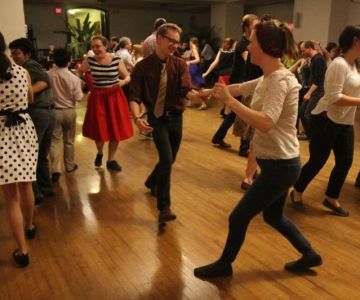
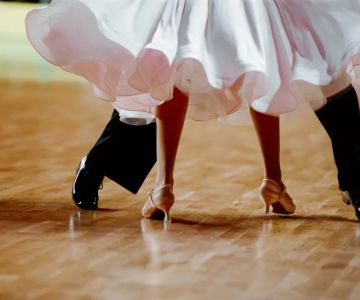
 Dancing With Victoria Performing Arts Centre4.0 (28 reviews)
 Workout/Dance classes5.0 (3 reviews)
 Willowgrove Club4.0 (24 reviews)
 Nritya Creations Academy of Dance5.0 (1 reviews)
 Studio A4.0 (13 reviews)
 Loree's Academy of Dance5.0 (12 reviews)
 Bollywood Dance Workout Benefits: Common Mistakes to Avoid
 Did the Dance Moms Girls Go to School? Balancing Education and Dance
 Do Lowell Area Schools Have a Dance Program? Here’s What to Know
 A Dance School Offers Classes in Ballet Folklorico to Celebrate Culture and Skill
 The History of Ballroom Dance Tutorial
 Line Dance for College Students – Complete Guide to Getting Started