
- 1 - Early Roots of Jazz Dance
- 2 - African American Influence
- 3 - Harlem Renaissance Impact
- 4 - Evolution of Jazz Dance Styles
- 5 - Modern Jazz and Pop Culture
- 6 - Learning Jazz Dance Today
1 - Early Roots of Jazz Dance
Jazz dance originated in the early 20th century in the United States, deeply intertwined with African rhythms and European dance techniques. It initially emerged as a social dance in New Orleans, where vibrant street parades and music clubs created an environment of improvisation and community participation.
1.1 Social Gatherings and Dance Halls
In these early social settings, dancers expressed their individuality through syncopated movements, often inspired by ragtime music. This period laid the foundation for jazz’s characteristic energetic and expressive style.
1.2 Influence of Early Music Styles
Jazz music, with its syncopated beats and improvisation, directly influenced the early steps and movements of jazz dance. The interplay between music and dance became a defining trait of this cultural art form.
2 - African American Influence
The African American community played a pivotal role in shaping jazz dance. Their cultural heritage introduced complex rhythms, footwork patterns, and expressive body movements that are integral to jazz today.
2.1 Work Songs and Field Chants
These communal songs often incorporated call-and-response patterns and improvisational movements, which later influenced jazz dance’s dynamic style. Dancers brought these movements into performance spaces, blending tradition with innovation.
2.2 Minstrel Shows and Vaudeville
Although controversial, minstrel shows and vaudeville performances provided a platform where African American dance forms were showcased to wider audiences, helping popularize jazz techniques across the country.
3 - Harlem Renaissance Impact
The Harlem Renaissance of the 1920s was a critical moment in jazz dance history. It marked a cultural explosion where African American art, music, and dance gained national attention.
3.1 Dance Clubs and The Cotton Club
Venues like the Cotton Club in Harlem showcased jazz dancers who integrated improvisation, elegance, and theatrical flair. These performances influenced mainstream American entertainment and professionalized jazz dance.
3.2 Iconic Dancers and Choreographers
Dancers such as Josephine Baker and Bill “Bojangles” Robinson introduced innovative footwork and stage presence. Their techniques remain influential in modern jazz education.
4 - Evolution of Jazz Dance Styles
As jazz dance evolved, it incorporated influences from ballet, modern dance, and Latin movements, creating diverse styles adaptable to stage and film performances.
4.1 Broadway Jazz
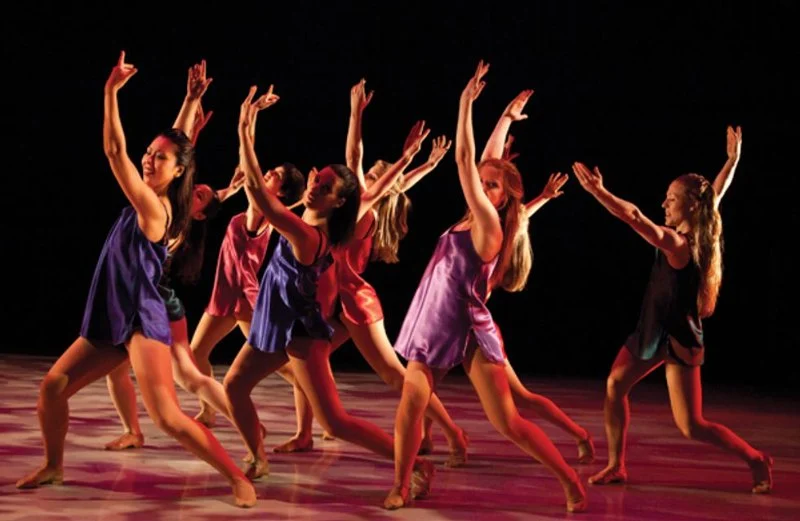
Jazz dance became a staple of Broadway musicals, emphasizing storytelling through expressive gestures, syncopation, and dramatic flair. This style highlighted technical precision while maintaining the improvisational essence of traditional jazz.
4.2 Street and Funk Jazz
In urban settings, jazz dance evolved into street styles and funk-infused movements. This evolution reflects the continuous adaptation of jazz to contemporary music and culture.
5 - Modern Jazz and Pop Culture
Jazz dance remains relevant in today’s entertainment industry, influencing music videos, television shows, and pop culture performances.
5.1 Television and Film Influence
Shows like “So You Think You Can Dance” and iconic performers in music videos have brought jazz techniques to global audiences. The fusion of jazz with hip-hop, contemporary, and lyrical dance creates innovative choreography today.
5.2 Global Reach
Jazz dance’s cultural origins are now celebrated worldwide, with dance schools across the globe teaching its history, techniques, and performance styles.
6 - Learning Jazz Dance Today
For beginners and advanced dancers alike, understanding the cultural origins of jazz is essential. Learning jazz not only involves mastering steps but appreciating its historical and social context.
6.1 Courses and Workshops
Institutions like American Dance Academy offer comprehensive programs covering jazz techniques, choreography, and cultural history. These courses provide hands-on experience and mentorship from professional dancers.
6.2 Practicing with Purpose
When practicing jazz, dancers should focus on rhythm, musicality, and expressive movements. Engaging with jazz’s cultural background enriches performance quality and fosters a deeper connection to the art form.
 Charlee's Elite School of Dance4.0 (41 reviews)
 Bellydancers Of Color Collective0.0 (0 reviews)
 New Attitude Performing Arts Center5.0 (129 reviews)
 5678 Shine Dancers0.0 (0 reviews)
 Fred Astaire Dance Studio5.0 (48 reviews)
 The Ballroom Dance Center4.0 (60 reviews)
 Do Colleges Have School Dances? A Look at Modern Campus Dance Life
 A Place to Dance: Exploring the Royal Ballet School's Legacy and Its Inspiration
 Do High School Dances Still Exist? A Look at Modern School Events
 How to Master Bollywood Dance Workout Benefits
 Why Ballet Is Popular and Trending on TikTok
 Line Dance Tutorial – Everything You Should Know: Step-by-Step Guide for Beginners